When the first of these articles was conceived and written it was January of 2020. The stock market was hitting new highs. Unemployment was at the lowest level ever recorded and the biggest headache we had in the US was having to endure another presidential election.
As I write this in late November 2020, everything has changed thanks to the COVID 19 pandemic. Unemployment has hit new highs and then subsided. Layoffs and pay cuts are a daily item on the rumor mill. People are marching in the streets for the right to leave their houses and go back to work and a wave of businesses are expected to close in the coming months. There is no question that our economy and public health policies will be markedly different for months, if not years to come thanks to the COVID 19 pandemic. You may be wondering how this “new normal” we are all living would have affected the article series Erin and I started at the beginning of the year. Does the pandemic mean there are revisions we need to make to the concepts of culture and workstyles and change management?
Actually, no. The answer is that nothing has changed with regards to good workplace strategy. The concepts described in the following 6 articles are not only still relevant, but I would argue, even more relevant now than they were at the beginning of 2020.

Let’s review:
- Organizational Culture:
- Trying to decide if your company should take employee’s temperatures as they come into the office? Or maybe they should be self reporting their temperatures on an app the night before they come in? Understanding your culture will help you make that decision. Are your managers having trouble giving up daily monitoring of employees who are working from home? Or are they handling work from home like a fish to water? Many of the control cultures I have spoken with are having real angst over people working from home, and are not comfortable letting employees self report their temperatures. They have run, face first, into the control culture they’ve been existing in whether they understand it as such or not.
- Workstyles:
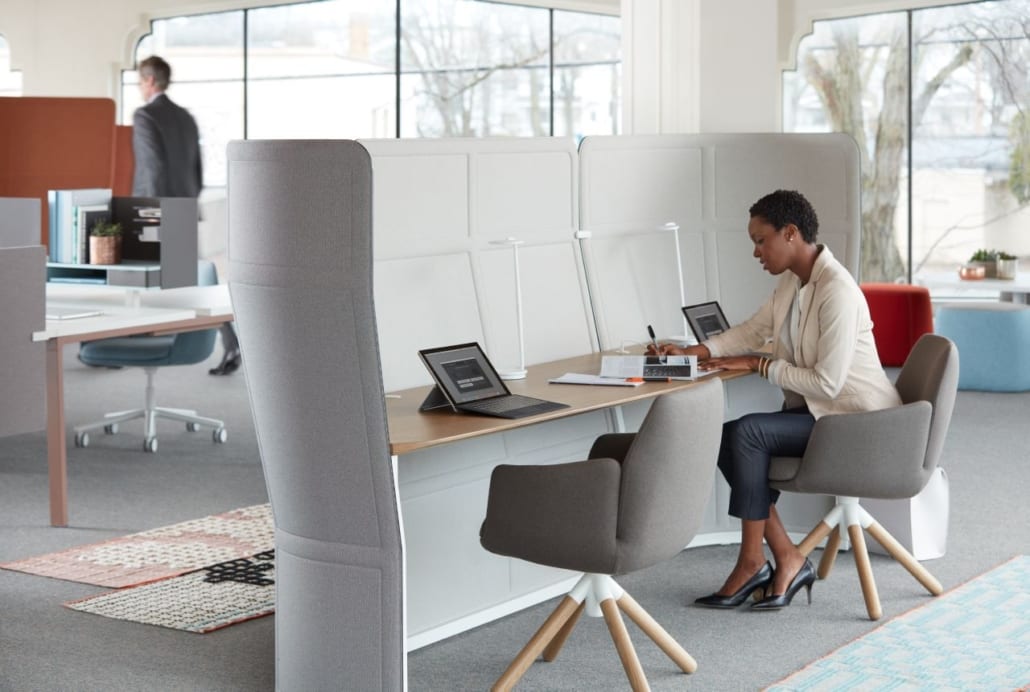
- Anyone who has been working in a connector or crew workstyle is having a tough time working from home. These were the folks who worked on short or long term objectives with other people. Stay at home orders have hamstrung their ability to work effectively. Virtual meetings have helped keep the workflow going, but many of them will tell you collaborating virtually just isn’t the same and one must assume that innovation has been hampered. However, those who work alone on their task in the specialist and master workstyle have not lost a beat. In fact, the technology industry is finding that programmers (a famous example of the specialist workstyle) are showing increases in production while working from home.
- Collaboration:
- As mentioned above, collaboration is another casualty of the COVID-19 pandemic. While virtual meeting platforms provide an efficient way for people to share ideas and brainstorm, past research has shown that it is not as effective as real face to face meetings. It requires participants to look for different non verbal cues for confirmation of understanding and comprehension of thoughts being expressed. This is that “human connection” element that is missing from the virtual experience.
- Affordances:
- The Affordances that are taking the biggest hit because of work from home situations are Interaction, belonging and engagement. Interaction is self evident and is discussed above in the collaboration section. But Belonging (the connection between employees) and engagement (the connection between employee and company) are difficult to maintain while in quarantine. Stay at home mandates are adding insult to injury regarding the already anemic employee engagement numbers in the US. Having said that, anyone who has been trying to work from home with family in the house (my condolences to those trying to work AND supervise children utilizing distance learning) would probably disagree. The Affordances of insulation, focus and stimulus control take a hit with every child’s laugh or scream and every dogs bark. Put it this way – a whole host of human Affordances are missing in the work from home/quarantine model.
- Change Management:
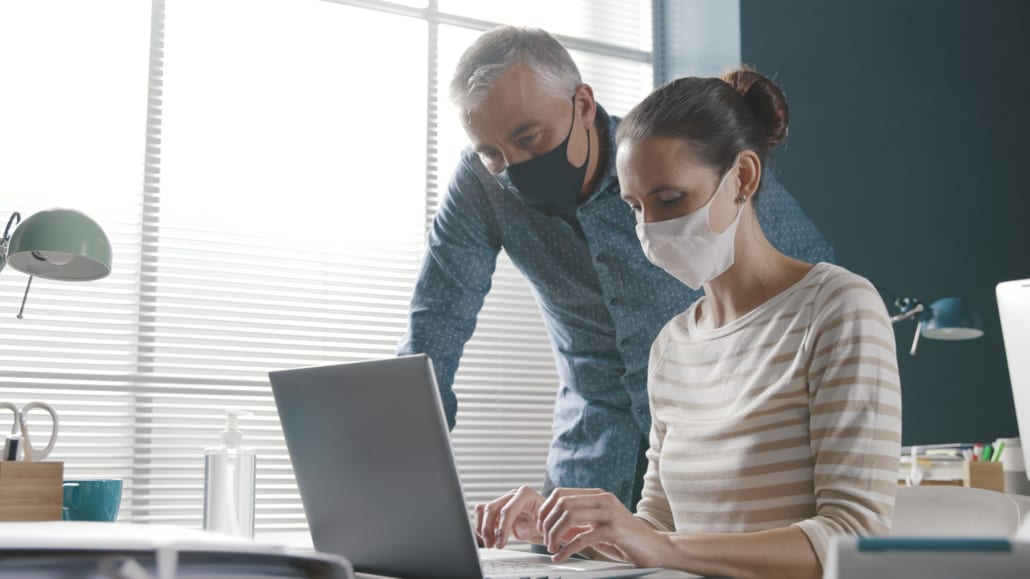
- While the current quarantine situation is difficult, returning to work will be rife with even more trip hazards. Maintaining social distancing, hand sanitizing stations, staggered return to work for employees and a more permanent work from home program are all changes that will occur at companies throughout the US. The good news? The same change communication process we use to move people into a new space is the same process that can be used to create and disperse your companies messaging concerning your “new normal”. Surveys show that anxiety and fear will be the biggest challenge to return to the workplace. One survey result shows employees fear of re-infection is higher than the fear of losing their job. Clear and meaningful change communication can help reduce that anxiety.

Consider this: Has COVID 19 changed the basic identity (culture) of your company? Has the way your employees work ( short/long term projects that require working with or without other people) changed because of face mask shortages? Have your employees lost the need for physical Affordances like a desk or computer because toilet paper is in short supply? Has the need to communicate the “why” of changes in the company to employees diminished due to social distancing? The answer is a resounding “No’
As stated at the beginning of this article, good workplace strategy does not change because of a crisis. It’s in those times when concepts like organizational culture, change management and affordances will be your greatest asset. The reason is because these concepts are not about desks or chairs or tables. They are about your business and the people who make that business possible. Those same guiding principles will serve your company in boom or bust times as long as the C suite stays true to the vision those guiding principles provide. Therefore, we present these original six articles – unedited and unchanged – to help guide you through your workplace strategy.
Authors:
Michael Furnari LEED AP + WELL AP
Territory Sales Manager, Haworth
“ Michael is a student of business and a believer in the power of space to create engaged, innovative work groups. He has helped dozens of clients in Central Florida use space as a tool to achieve their business objectives”
Erin Schultz, CBRE
Director, Market Leader for Tampa & Orlando, CBRE
“Erin believes a strong management process can create great spaces for clients. Her multi-disciplinary experience and approach have helped some of the largest corporations in the country create effective and cost-efficient facilities”