7 Outdated Office Design Rules Companies Are Leaving Behind
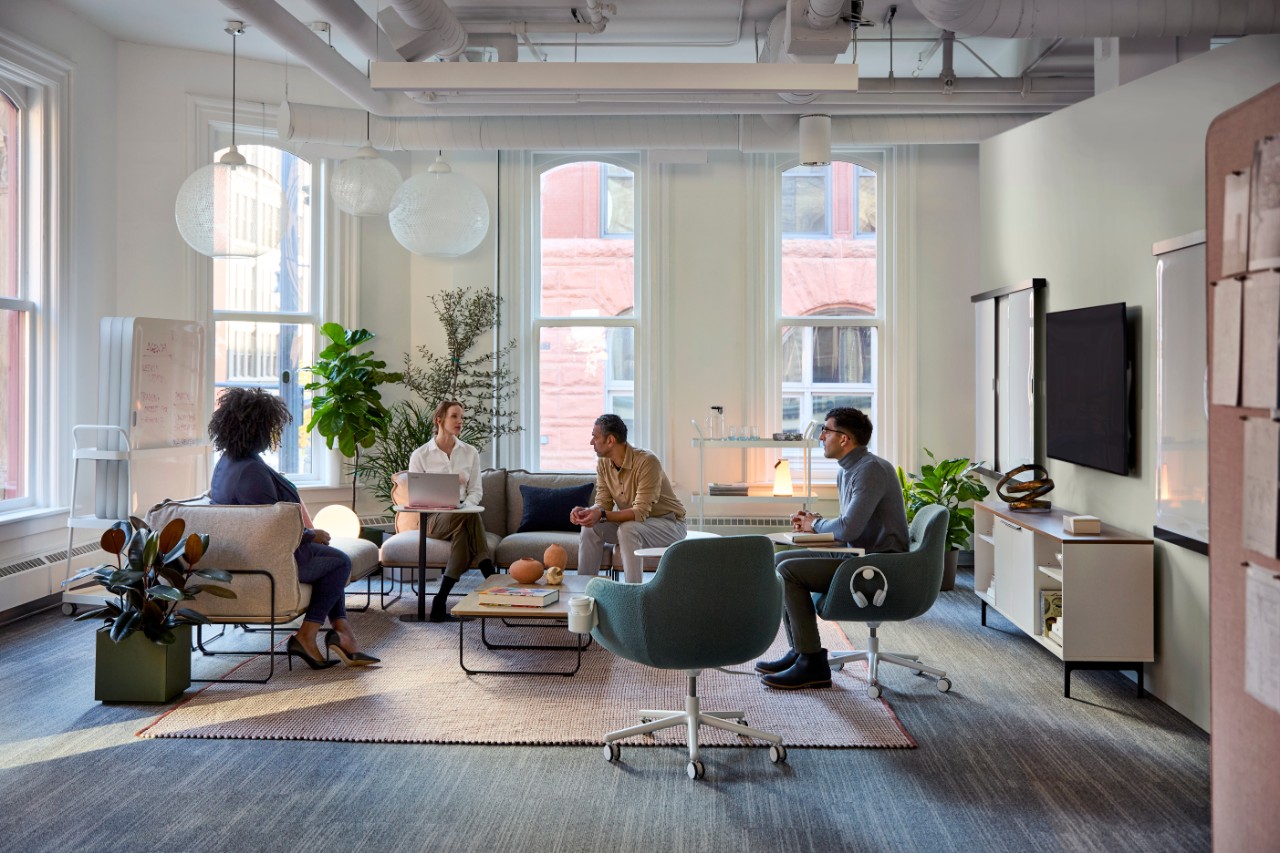
For decades, workplace design followed a familiar formula: rows of desks, fluorescent lighting, rigid layouts, and the assumption that productivity came from visibility and uniformity. But today’s workforce expects something different.
The modern office is evolving from a place built purely for efficiency into an environment designed around experience, focus, flexibility, and human connection. Employees no longer want spaces that feel cold, repetitive, or overly corporate. They want workplaces that support different work styles, encourage collaboration naturally, and feel more intuitive to how people actually operate throughout the day.
As organizations rethink the purpose of the office, many long-standing workplace “rules” are beginning to disappear.
1. The Office Must Revolve Around Assigned Desks
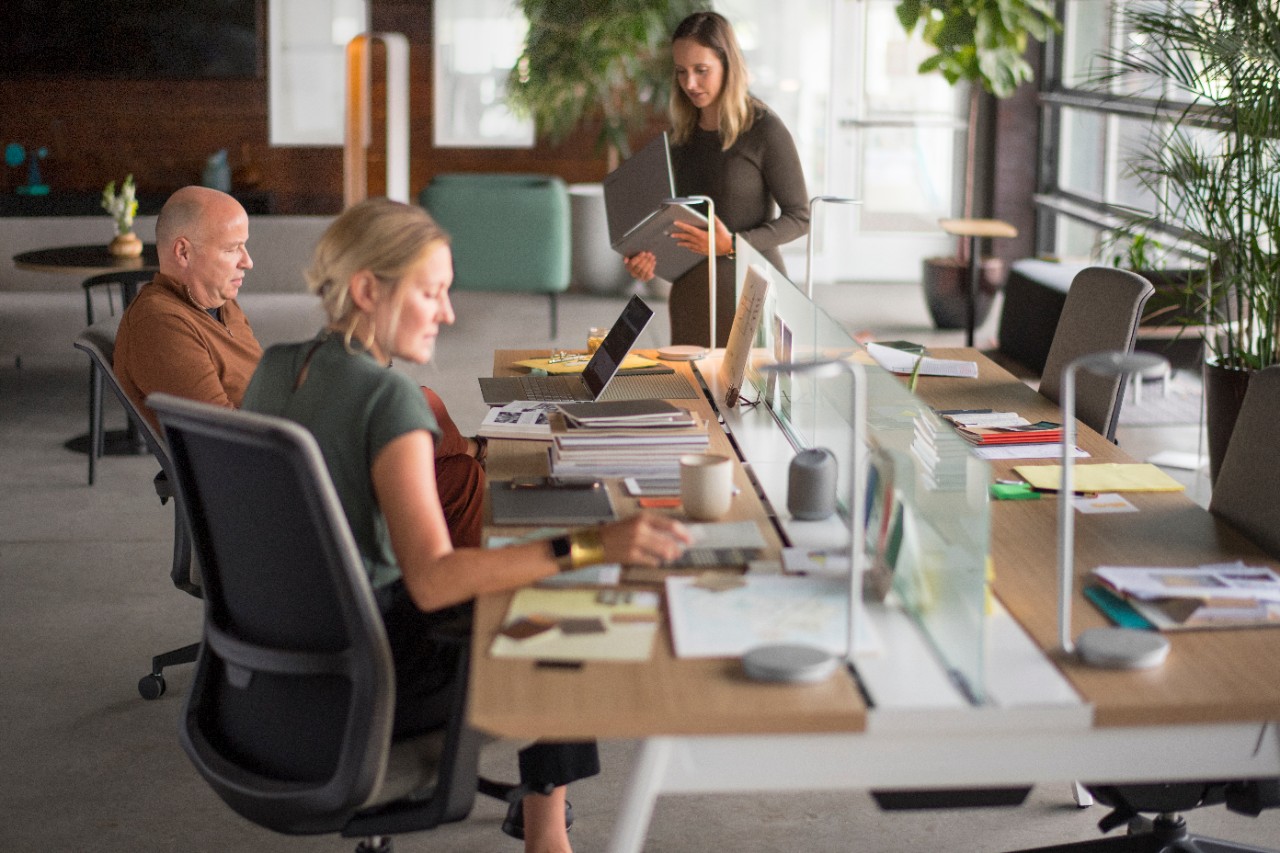
Many traditional offices were unintentionally designed to drain people.
Harsh lighting, constant noise, endless visual stimulation, lack of privacy, and static environments created spaces that demanded attention every second of the day. Employees were expected to collaborate constantly, remain highly visible, and maintain productivity in environments that rarely supported mental recovery.
The result was cognitive fatigue.
Today’s workplace is beginning to recognize something critical: people do not operate at one consistent energy level all day long. Human beings naturally cycle between focus, collaboration, creativity, and recovery. Spaces should reflect that reality.
Instead of designing offices around maximum density and constant activity, companies are beginning to create environments that support multiple emotional and cognitive states throughout the day.
2. Lounges and Social Spaces Are “Wasted Space”
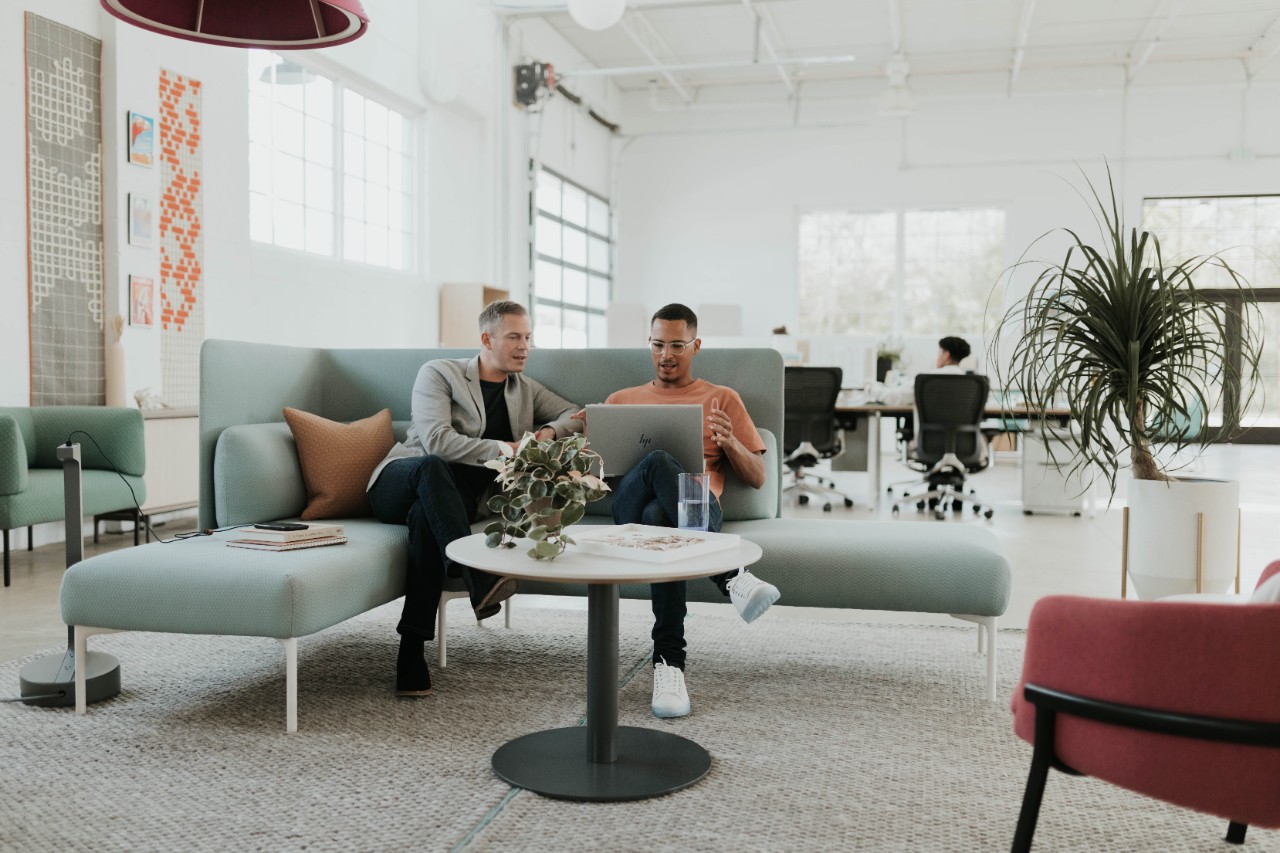
For years, many companies viewed lounges, cafés, and informal gathering areas as secondary to “real work.” Today, organizations are recognizing that some of the most valuable moments happen between meetings, not inside them.
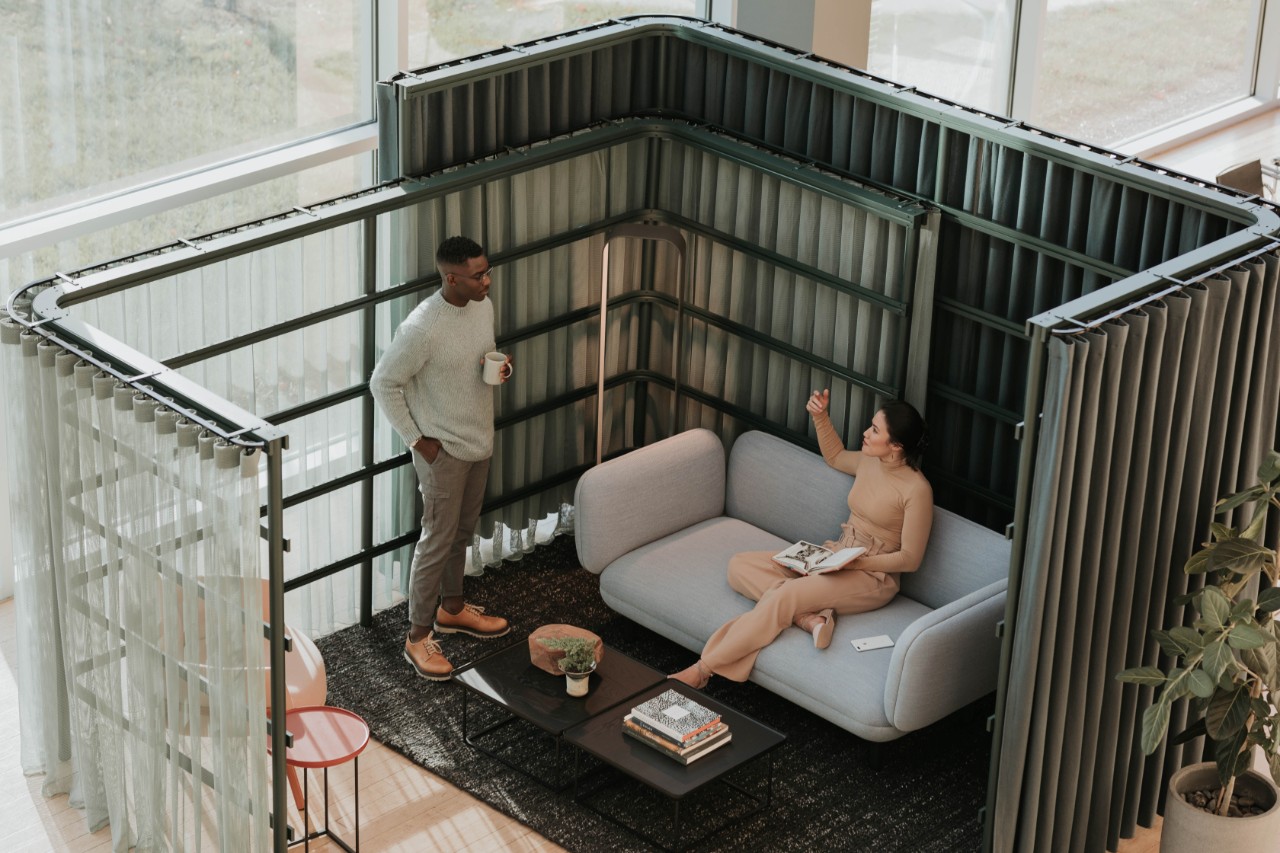
Spontaneous conversations, mentorship, brainstorming, and relationship-building often occur in more relaxed settings. These social environments help strengthen culture and create the type of human interaction remote work struggles to replicate.
Hospitality-inspired spaces are becoming central to the workplace experience. Products like Openest Collection and Cabana Lounge help create softer, more inviting environments that encourage natural connection without feeling overly corporate.
The modern office is increasingly functioning less like a headquarters and more like a community hub.
3. Open Offices Improve Collaboration for Everyone
The original promise of the open office was increased collaboration and transparency. In reality, many open environments created distraction, overstimulation, and constant interruption.
Today’s workplaces are becoming more intentional about balancing openness with privacy.
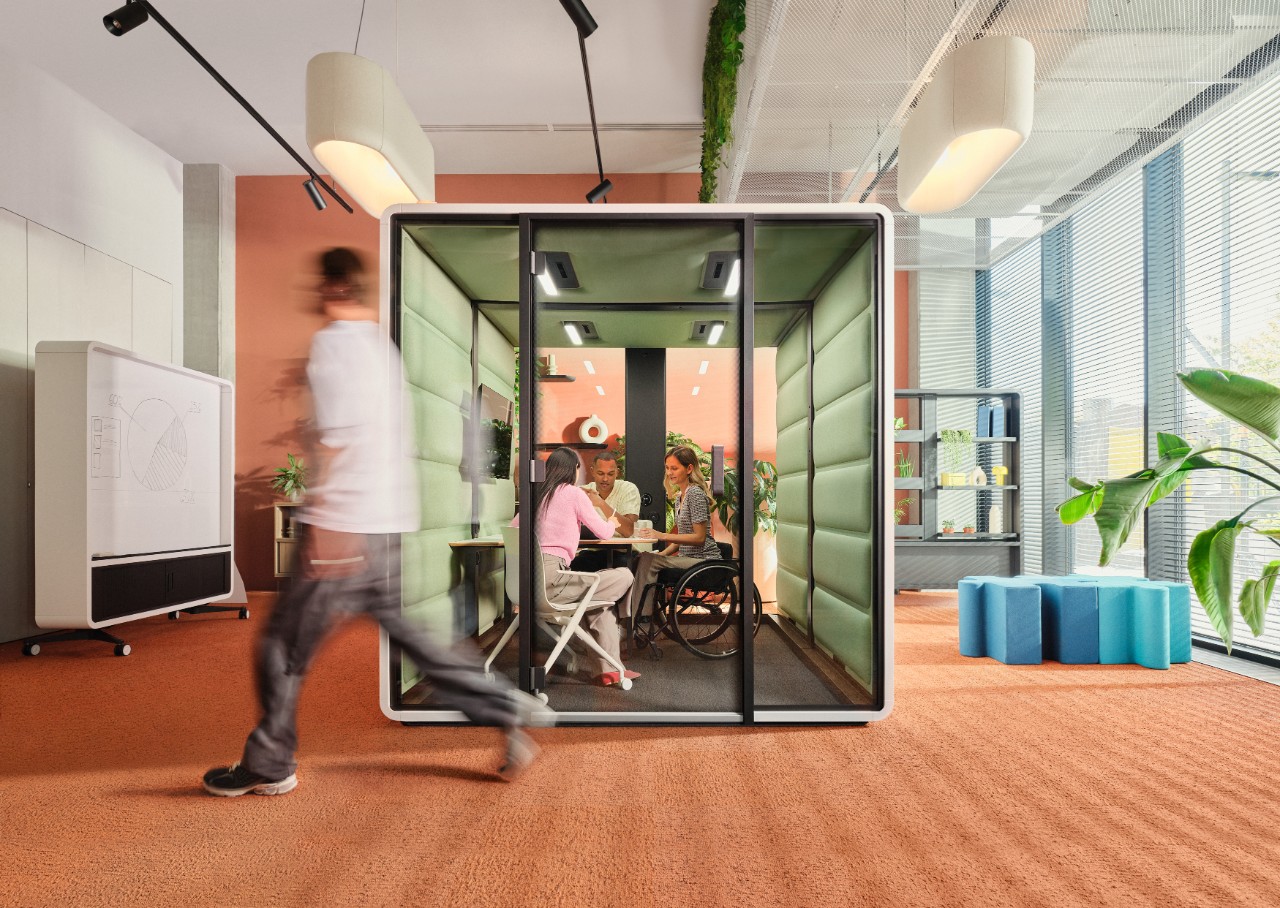
Companies are embracing acoustic zoning, enclosed focus areas, and layered spatial planning to support a wider range of work styles and personality types. Neuroinclusive design is also becoming a growing priority, recognizing that employees experience sound, light, and social interaction differently.
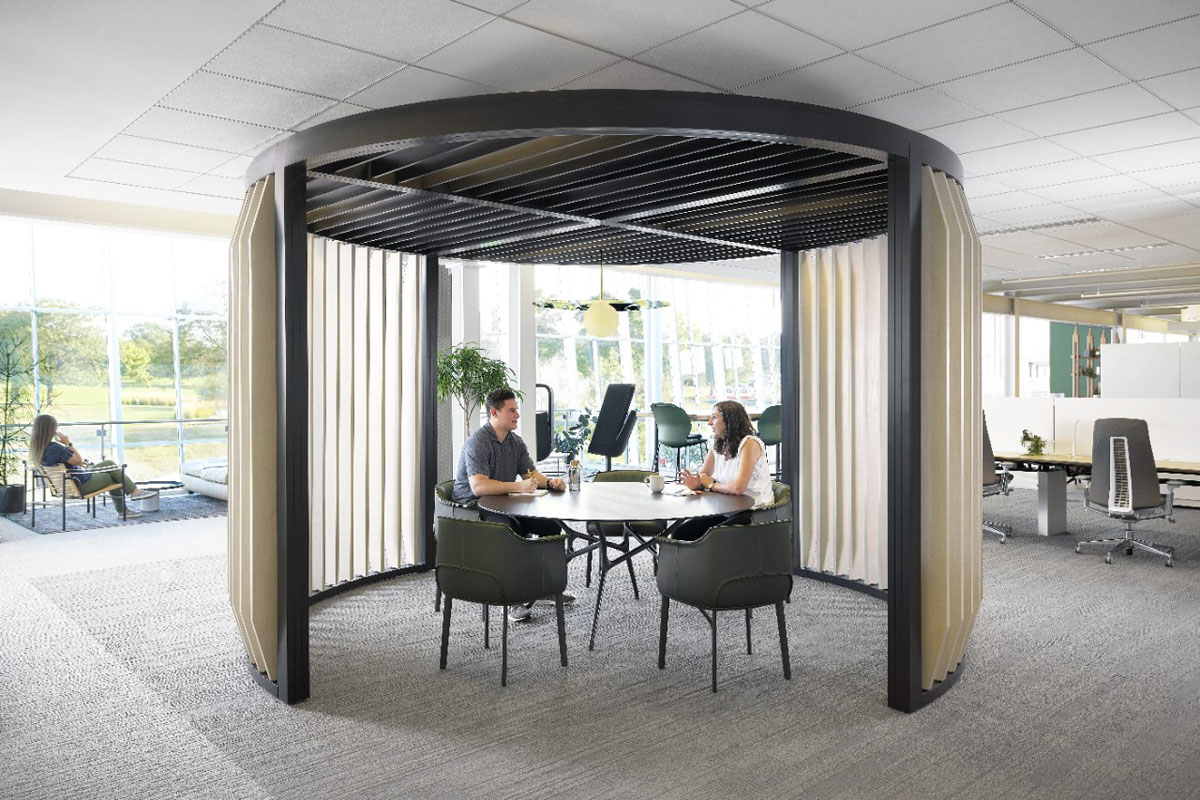
Solutions like HushPod and Enclose Walls help organizations create quieter retreat spaces without sacrificing openness or natural light.
The future workplace isn’t fully open or fully enclosed. It’s adaptable.
4. “Professional” Means Minimal, Cold, and Neutral
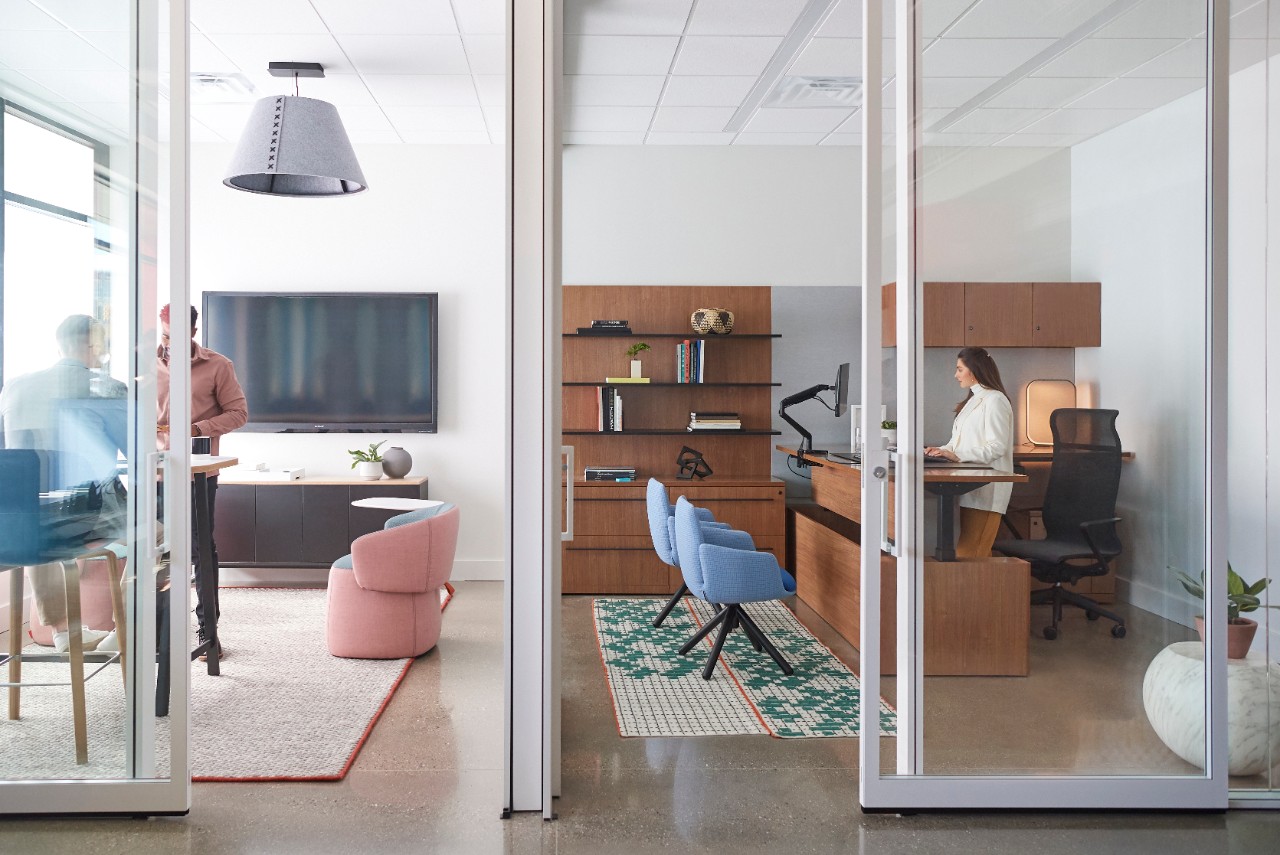
For years, many offices were designed to appear sleek and professional through stark minimalism. White walls, hard surfaces, and highly uniform environments became the standard corporate aesthetic.
That approach is beginning to soften.
Companies are now embracing warmer materials, layered textures, residential influences, and spaces with more emotional character. The goal is not simply visual appeal — it’s creating environments that feel welcoming, calming, and human.
Natural finishes, softer acoustics, textured fabrics, and hospitality-inspired furniture help employees feel more comfortable and connected to their environment. BOS is increasingly helping organizations create spaces that blend functionality with warmth through furniture, architectural products, acoustic solutions, and integrated workplace design.
The best workplaces today feel less like showrooms and more like lived-in environments.
5. Productivity Requires Constant Visibility
Traditional office culture often rewarded visibility as proof of productivity. Employees were expected to remain highly accessible, constantly collaborative, and visibly busy throughout the day.
But modern workplace thinking is beginning to prioritize something more valuable: focus.
Organizations are recognizing the importance of giving employees access to environments that support concentration, deep work, and cognitive recovery. This means designing quieter zones, reducing visual clutter, improving acoustics, and allowing employees more control over how and where they work.
Height-adjustable solutions like Upside Sit-to-Stand Desk paired with varied focus environments help support movement, autonomy, and longer-term productivity without relying on constant supervision.
The future office is moving away from performative productivity and toward intentional performance.
6. Workplace Design Should Stay Static for Years
The pace of business, technology, and team structures is changing faster than ever. Offices designed around permanence often struggle to evolve alongside organizations.
Flexibility is now one of the most important elements of workplace design.
Companies are increasingly investing in movable architecture, modular furniture systems, and adaptable layouts that can shift over time. Whether supporting growth, reorganizations, hybrid schedules, or new collaboration patterns, workplaces need the ability to evolve without requiring complete renovation cycles.
This is where integrated services like workplace strategy, furniture reconfiguration, architectural walls, and decommissioning support become critical long-term tools for organizations navigating change.
The modern office is no longer static. It’s dynamic infrastructure.