The dreaded “C” word: Collaboration. This is possibly the most over-used buzzword of the last decade. Embraced by forward thinking companies and feared by private office workers, no other word elicits as strong a reaction from workers. What is it and why is it important? How do we actually achieve it? Let’s see if we can de-mystify this buzzword.
To understand why collaboration is important, you must understand the importance of innovation to Corporate America. Surveys show that, year in and year out, innovation – the ability to increase revenue & market share with breakthrough ideas – routinely tops the list of CEO concerns. It translates directly to the bottom line and ensures the future viability of their companies. To innovate, engaged employees need to collaborate. We’ve discussed the importance of engaged employees in previous articles, but how best can companies support the collaboration they’re looking to achieve? As with most business decisions, the answer lies in the companies’ and, significantly, the departments’, organizational culture.
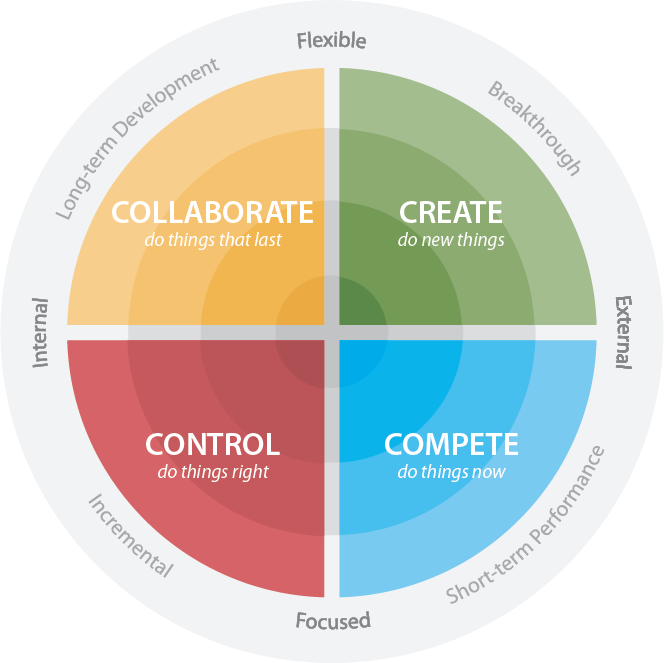
The Competing Values Framework of Organizational Culture shows that every company has a predominant culture. Where the “competing” part comes into play is that individual departments will probably have different sub-cultures within the company. Understanding the department’s culture will give you the information you need to support that group’s specific type of collaboration. The modes of collaboration that researchers have found in the workplace are:
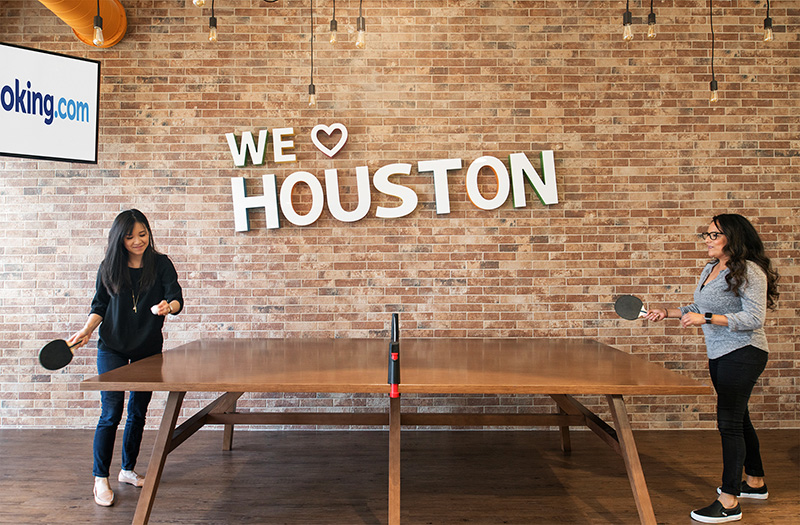
- Connect Spaces – These are very closely associated with the Collaborate culture. The space should support informal and inter-disciplinary meetings with no specific topics or time limits. This is where you will often find the foosball table, ping pong table, and coffee bar area of the office. The seating is more open, with no divisions, lounge-like and casual with very little markerboards and device sharing technology. This type of space allows workers to build relationships while also encouraging different departments to interact and casually share ideas.
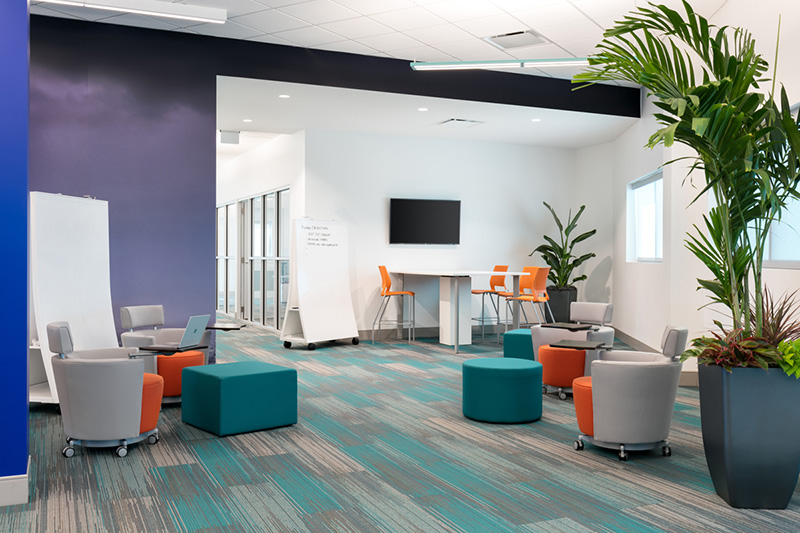
- Think Spaces – These are the brainstorming spaces. Closely associated with the Create culture, this space will also have large comfortable seating for long meetings, marker boards and device sharing technology to share ideas and a defined area so as not to disturb others. This is where that “Next big thing” is created and workshopped.
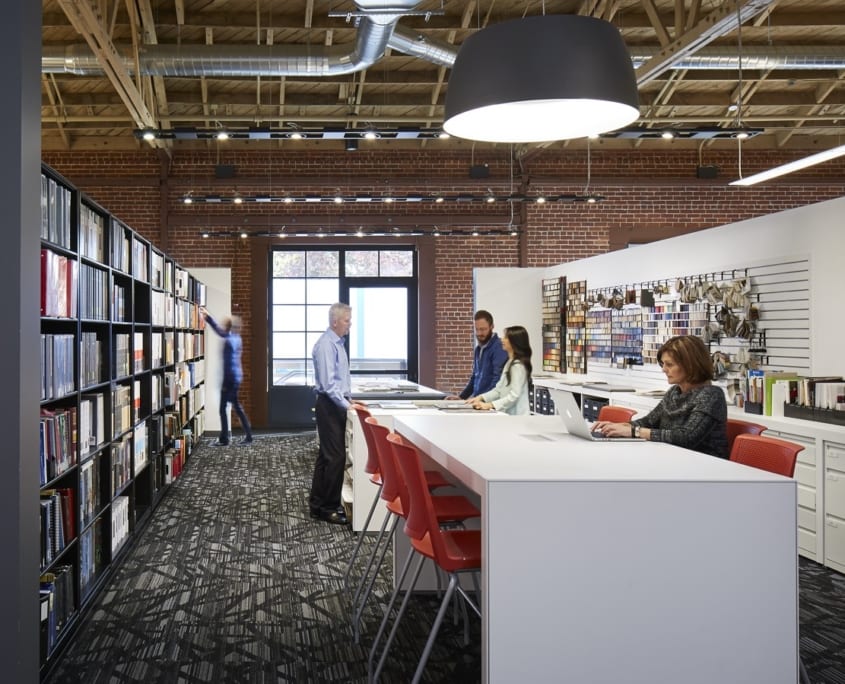
- Tactical Spaces – Closely associated with the Compete culture, these spaces are all about tactical execution – getting together for a limited amount of time to accomplish a task before returning to their individual workstations. There is plenty of seating, maybe even stools, as the managers and supervisors will probably be in the mix to sign off on things quickly. There are marker boards and device sharing technology as well as lots of ports in tables for phones and charging. Think a “War Room” at a contractor’s office or a design library at an architecture and design firm.
- Inform/Presentation Spaces – These are the traditional conference rooms we are all used to. Everyone sits down and there is a person up front who will tell us what we need to know. These spaces are designed to disseminate information in an orderly manner, both print and digital. Most closely associated with the Control culture, these spaces are formatted to persuasively share information and get a point across. To support this, you will still see marker boards and device sharing technology, but the technology support will lean towards the front of the room – where the presenter is.
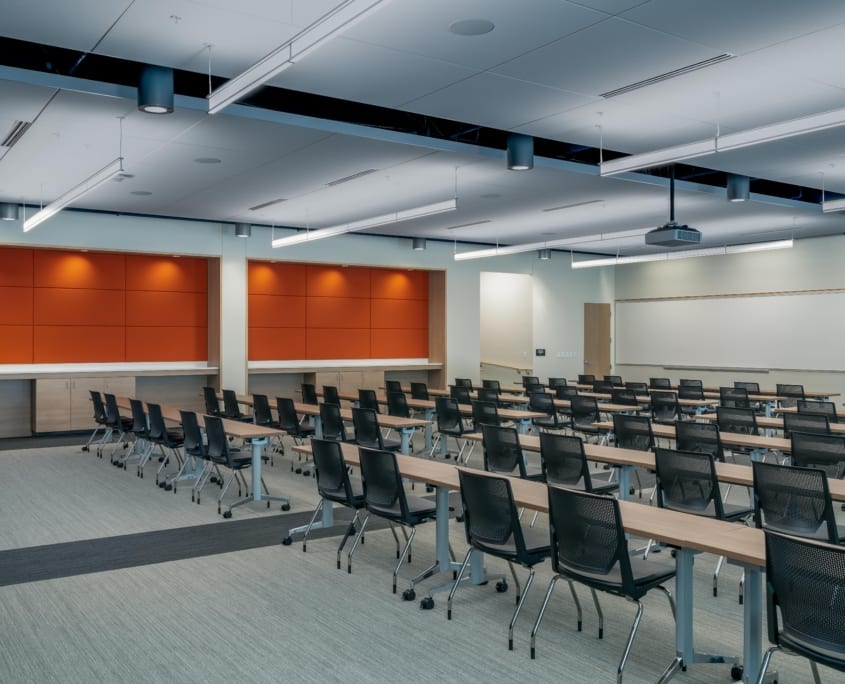
Understanding the individual departments divergence – or alignment – from the dominant organizational culture is the key to understanding how to support their shared work. Consider this example: you have a staff of bookkeepers who do focus work all day and only collaborate when sharing spreadsheets at a weekly meeting. While it’s nice, would a Connect space really support their work? With no device sharing technology and no privacy, how could they accomplish what they need to do? Conversely, consider a marketing department who’s been charged with creating a breakthrough five year campaign to promote a product. Would an Inform space, with focus on the one presenter at the front of the room provide them the interaction and idea sharing they need to come up with the “Next Big Idea”?
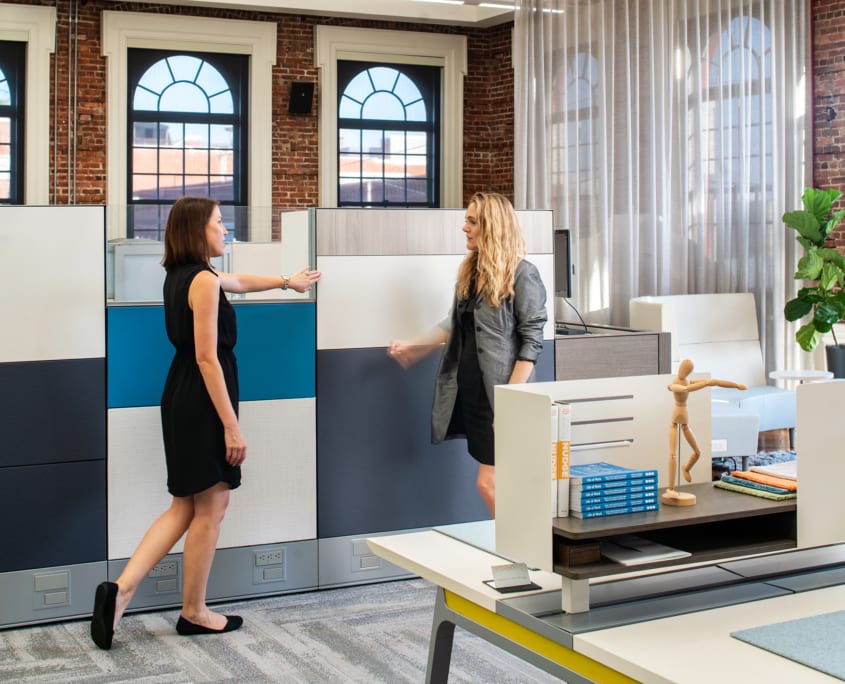
Understanding your worker’s collaborative style and how best to support it starts with understanding the organizational culture. While this seems logical and even simple, it can be an excruciating exercise for a C-Suite to go through. The reason is because it asks the big questions: “Who are we?” and “Why do we do what we do?” The good news is that once it has been workshopped, understanding the organizational and departmental culture(s) of your company makes future decisions painless. It’s amazing how often a client, who’s head was swimming with ideas and options when we first met, will become visibly and physically calmer once they understand and can classify the culture of their office and how they can support collaborative work.
So, the “C” word. Empty buzzword or critical to business? I would submit that without understanding it’s just another catchphrase. But when we understand the power of collaboration, how to classify it’s four modes and how to unleash it to create innovation, it not only becomes critical but the lifeblood of a thriving organization.

Authors:
Michael Furnari LEED AP + WELL AP
Territory Sales Manager, Haworth
“ Michael is a student of business and a believer in the power of space to create engaged, innovative work groups. He has helped dozens of clients in Central Florida use space as a tool to achieve their business objectives”
Erin Schultz, CBRE
Director, Market Leader for Tampa & Orlando, CBRE
“Erin believes a strong management process can create great spaces for clients. Her multi-disciplinary experience and approach have helped some of the largest corporations in the country create effective and cost-efficient facilities”