
Why the Future Workplace Is Designed Around Human Energy
For decades, workplace design revolved around efficiency. How many desks could fit on a floorplate? How quickly could people move through the space? How open could the office become?
But today, a different question is emerging: How does the workplace make people feel?
As burnout, overstimulation, and constant digital exposure continue shaping modern work culture, companies are beginning to realize that productivity is no longer just tied to output, it’s tied to human energy. The most forward-thinking workplaces are shifting away from rigid corporate environments and toward spaces designed to support emotional well-being, cognitive performance, and genuine human connection.
The office is no longer just a place to work. It is becoming a place to recover, focus, connect, think, and recharge.
The End of the Emotionally Exhausting Office
Many traditional offices were unintentionally designed to drain people.
Harsh lighting, constant noise, endless visual stimulation, lack of privacy, and static environments created spaces that demanded attention every second of the day. Employees were expected to collaborate constantly, remain highly visible, and maintain productivity in environments that rarely supported mental recovery.
The result was cognitive fatigue.
Today’s workplace is beginning to recognize something critical: people do not operate at one consistent energy level all day long. Human beings naturally cycle between focus, collaboration, creativity, and recovery. Spaces should reflect that reality.
Instead of designing offices around maximum density and constant activity, companies are beginning to create environments that support multiple emotional and cognitive states throughout the day.
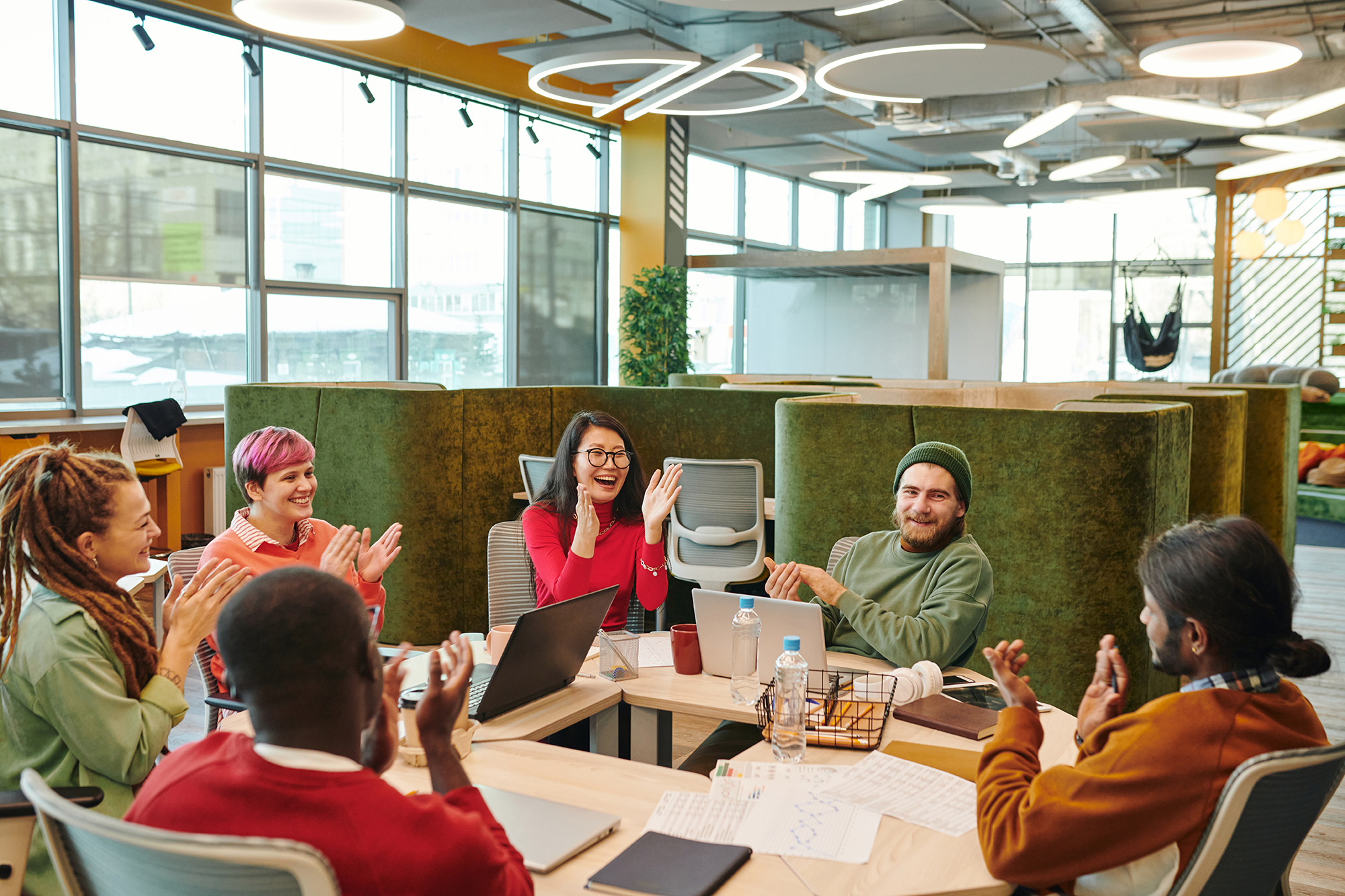
The Rise of Emotionally Intelligent Workplaces
A growing number of workplaces are moving beyond aesthetics and into emotional design; environments intentionally created to regulate stress, improve mood, and support psychological comfort.
This goes far beyond adding plants or softer furniture.
Emotionally intelligent workplaces consider:
- acoustic overstimulation
- lighting fatigue
- emotional privacy
- social exhaustion
- cognitive load
- environmental stress triggers
Rather than forcing every employee into the same experience, these workplaces acknowledge that people think, socialize, and recharge differently.
Some employees thrive in energetic collaborative settings. Others perform best in quieter, lower-stimulation environments. The future office understands both.
This shift is leading to more layered workplace ecosystems:
- decompression spaces
- quiet focus zones
- soft transitional lounges
- restorative wellness areas
- enclosed acoustic retreats
- lower sensory environments
The goal is no longer designing one office experience for everyone.
It’s designing environments that support a wider range of human needs.
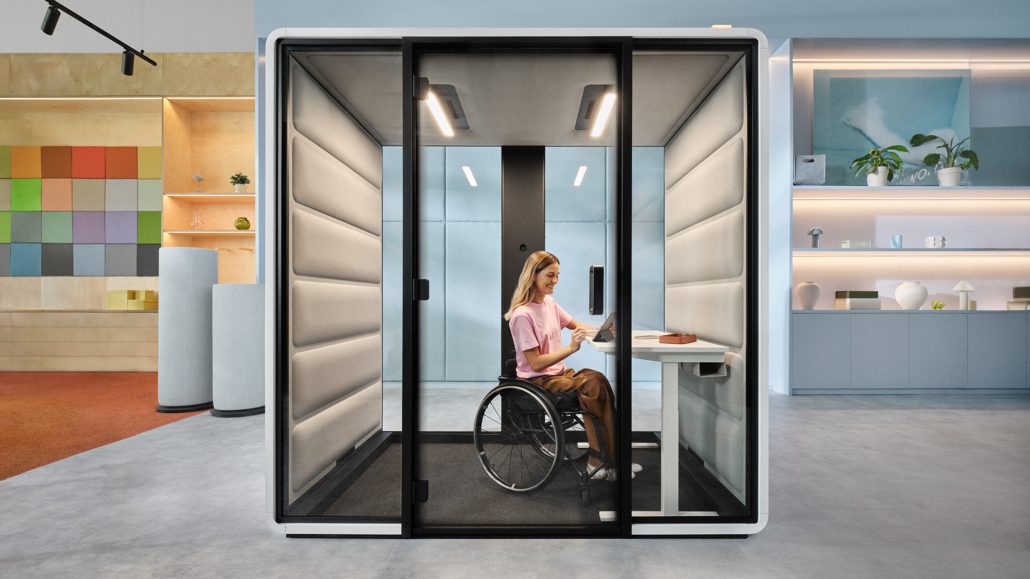
Neuroinclusive Design Is Reshaping the Workplace
One of the most important workplace conversations emerging today is neuroinclusion.
For years, offices were largely designed around extroverted work styles: constant collaboration, open visibility, and uninterrupted stimulation. But employees experience environments very differently depending on personality, sensory sensitivity, attention patterns, and cognitive processing styles.
Workplaces are now beginning to acknowledge the importance of:
- acoustic control
- visual calm
- sensory balance
- lighting flexibility
- privacy options
- varied work settings
This doesn’t only benefit neurodivergent employees; it improves the experience for everyone.
The best workplaces are no longer designed around a single ideal employee. They are designed around human variability.
And that shift is making offices more compassionate, adaptable, and emotionally sustainable.
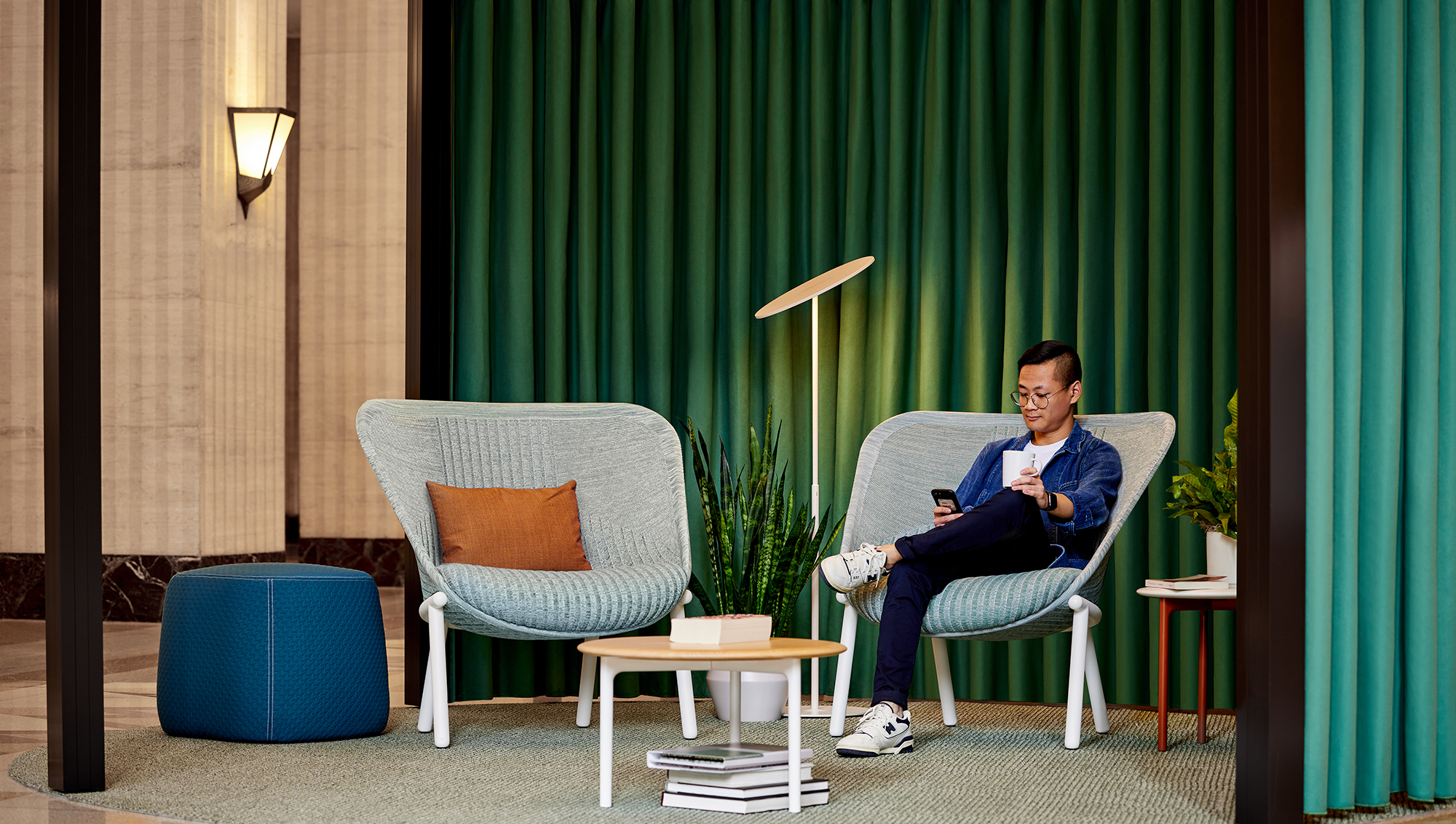
Why the Best Offices Feel Less Corporate
Interestingly, as workplaces become more psychologically aware, they are also becoming less corporate in appearance.
The future office is moving away from cold minimalism and toward environments that feel warmer, more textured, and more emotionally grounded.
That means:
- layered materials
- softer lighting
- residential influences
- hospitality-inspired layouts
- calming textures
- natural finishes
- spaces with personality and identity
But this shift is not simply aesthetic.
It reflects something deeper: people are craving environments that feel human.
Employees want spaces that reduce stress instead of increasing it. Spaces that encourage connection instead of performance theater. Spaces that support authentic interaction rather than constant visibility.
The office is evolving from a machine for productivity into an environment for human experience.
Designing for Energy, Not Just Efficiency
The most innovative workplaces moving forward will not necessarily be the flashiest or most technology-driven.
They will be the ones that understand human energy.
They will recognize that focus requires recovery. That collaboration requires comfort. That creativity requires psychological safety. And that employees perform best when environments support the full spectrum of how people actually think and feel.
The future workplace is no longer about squeezing more work out of people.
It’s about creating spaces that allow people to operate at their best, mentally, emotionally, socially, and creatively.
Because ultimately, the future of workplace design is becoming less about the office itself…
…and more about the humans inside it.
Conclusion
The future of the workplace isn’t about forcing people back. It’s about giving them a reason to come.
When you design for the senses, you’re no longer just creating an office, you’re creating an experience. One that supports focus, fuels collaboration, and makes people feel like they belong.
And that’s something no remote setup can fully replace.



