
Why Great Workplaces Tell Stories
What Your Office Says Before Anyone Speaks
Walk into any workplace and you will learn something about the organization long before a conversation begins.
The story may be intentional. More often, it is not.
Perhaps the lobby feels formal and imposing. Perhaps the walls are blank and anonymous. Perhaps every conference room looks identical, every hallway forgettable. Or perhaps the space is alive with stories—projects that changed communities, milestones that shaped the company, employees whose contributions are celebrated rather than hidden behind job titles.
Within moments, visitors begin drawing conclusions.
Who works here? What does this company value? What kind of future is it trying to build?
These impressions happen instinctively. Humans are natural storytellers. Long before we learned to read, we learned to interpret environments. We judge places by their symbols, artifacts, textures, and visual cues. In many ways, a workplace functions much like a city, a museum, or a home. It tells us who belongs, what matters, and what should be remembered.
The question is not whether your workplace communicates something.
The question is whether it is communicating the right things.
The Most Powerful Brand Experience Isn’t Your Website
Organizations spend millions crafting external identities. Logos are refined. Websites are redesigned. Marketing campaigns are carefully orchestrated.
Yet the place where employees spend thousands of hours every year often receives far less attention as a communication tool.
This is a remarkable oversight.
A website tells people who a company claims to be. A workplace reveals who it actually is.
Culture is rarely communicated through mission statements hanging in reception areas. It emerges through the stories organizations choose to celebrate, the people they choose to recognize, and the values they embed into everyday experiences.
Consider two workplaces.
One displays a logo on a wall.
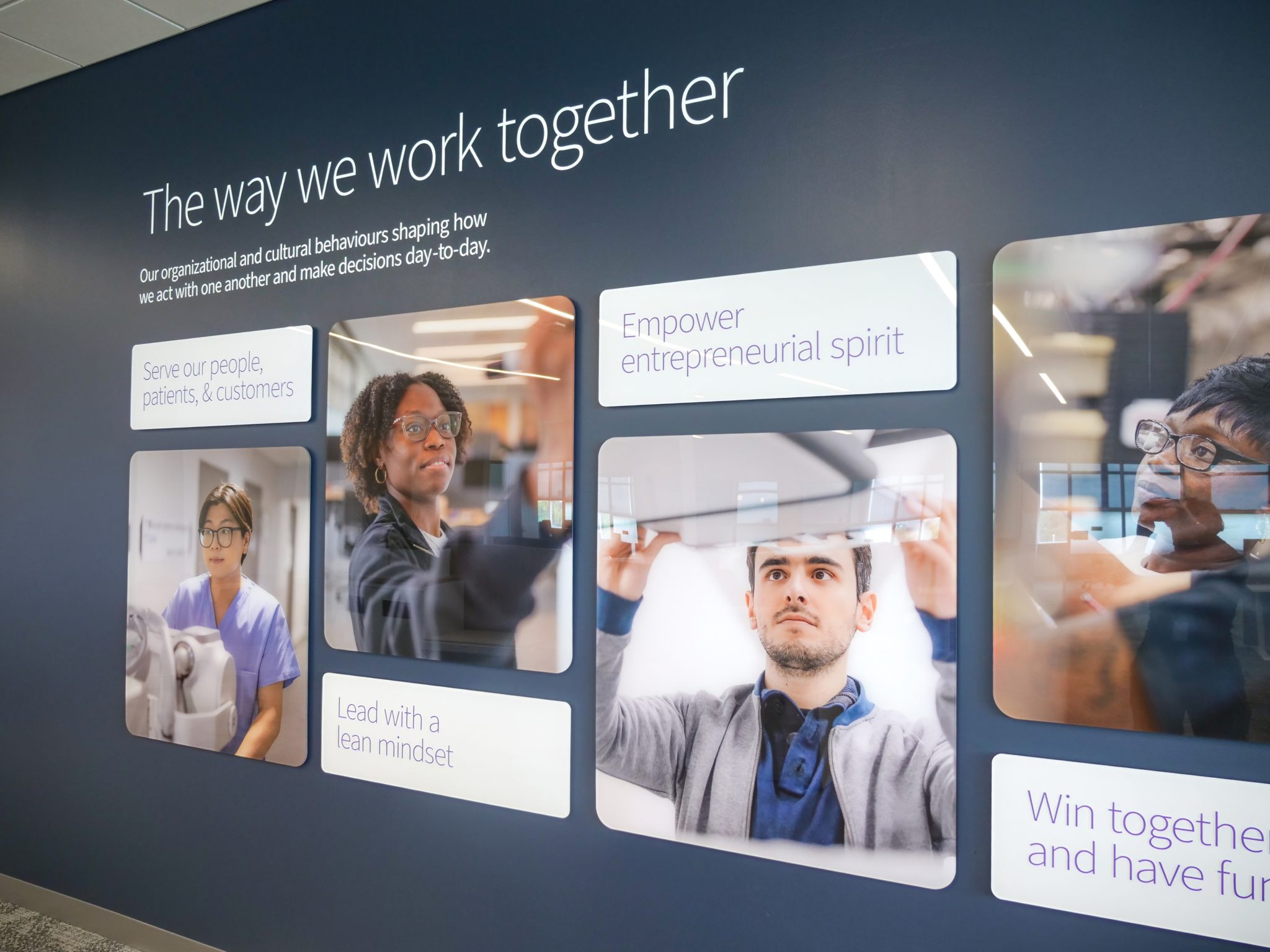
The other showcases the projects that transformed local communities, the employees who drove innovation, and the milestones that shaped the organization over decades.
One communicates ownership.
The other communicates identity.
Increasingly, organizations are discovering that employees are not looking for another branded environment. They are looking for meaning.
People Need to See Themselves in the Story
Perhaps the most overlooked function of the workplace is its ability to create belonging.
Psychologists have long understood that human beings possess a fundamental need to belong to something larger than themselves. We seek evidence that our contributions matter. We look for signs that our efforts are valued and remembered.
Yet many offices remain strangely anonymous.
Employees devote years of their lives to organizations while leaving almost no visible trace behind.
The most memorable workplaces challenge this idea.
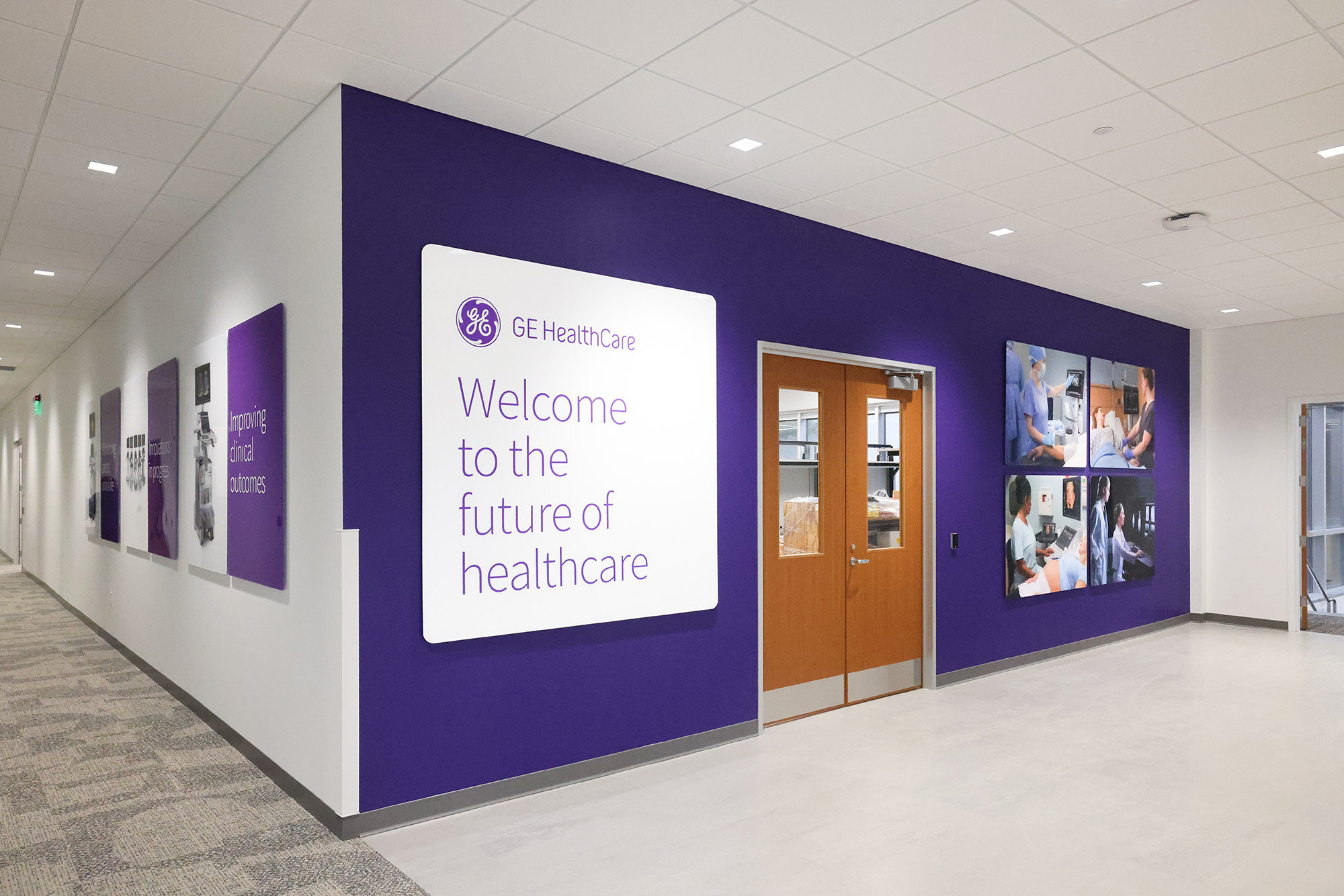
They celebrate achievements. They showcase teams. They document company history. They recognize the individuals behind major accomplishments. They create physical reminders that culture is not built by leadership alone, but by every person who contributes to the organization’s success.
When employees see their stories reflected in the workplace, something powerful happens.
The office stops feeling like a building.
It begins feeling like a community.
The Rise of the Living Workplace
The most innovative organizations are beginning to think differently about their environments.
Rather than treating walls as decoration, they treat them as opportunities.
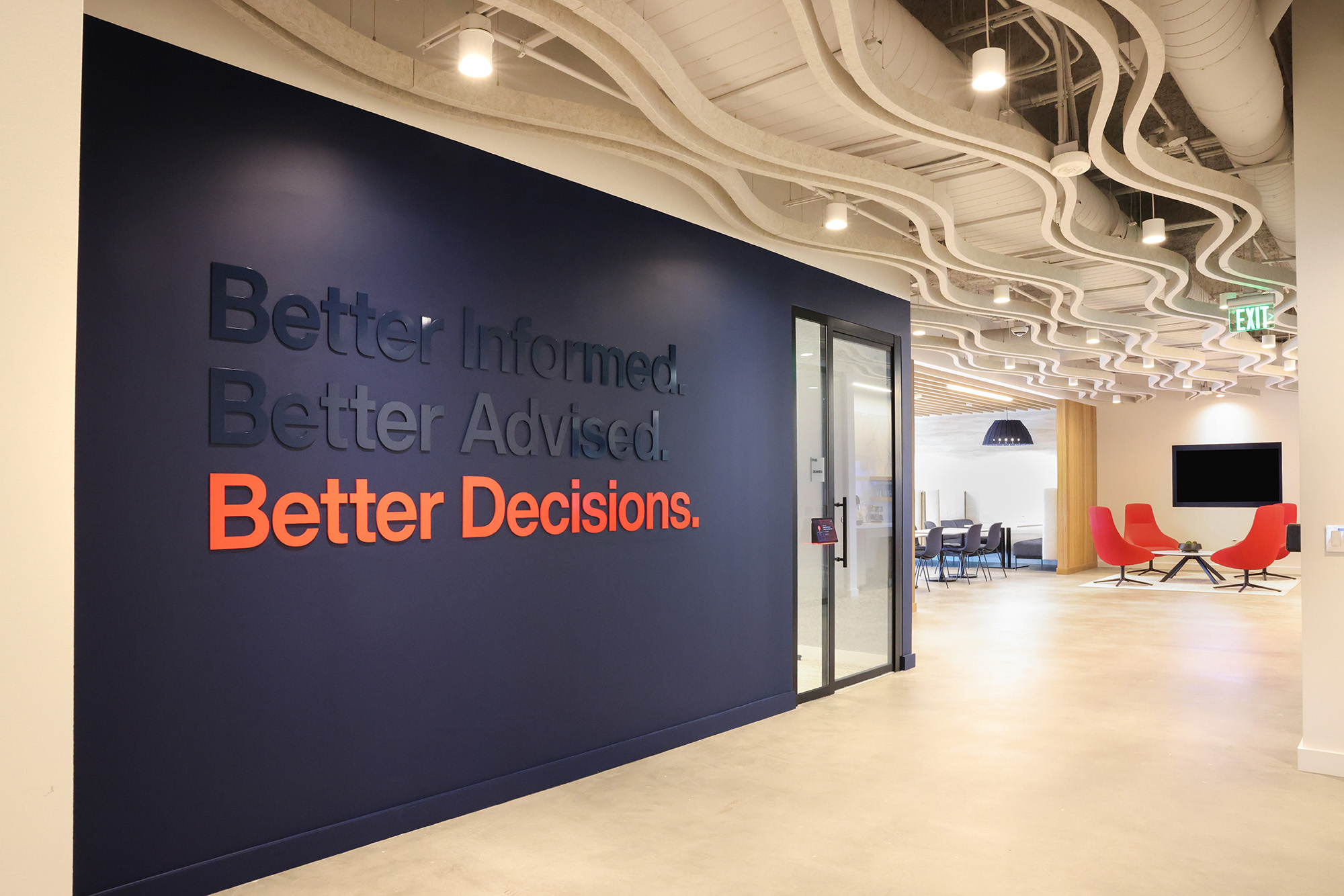
A corridor becomes a timeline of company history.
A gathering space becomes a showcase of employee achievements.
A café becomes a reflection of organizational values.
A lobby becomes a first chapter in a larger story.
These elements do more than beautify a space. They create what sociologists call a “shared narrative”—a collective understanding of who a group is, what it values, and where it is headed.
This is where environmental graphics, branded interiors, custom displays, and storytelling installations become particularly powerful. Organizations such as Corporate Sign Systems help companies transform underutilized spaces into meaningful experiences that reinforce culture and identity.
The goal is not decoration. The goal is memory.
Questions Every Leader Should Ask
Before investing in the next workplace renovation, leaders should pause and ask:
- What story does our workplace tell today?
- Are we celebrating our people or only our logo?
- Does our environment reflect our values?
- Would a new employee understand our culture simply by walking through the space?
- What achievements, traditions, and milestones deserve to be remembered?
- Are we creating a workplace people feel connected to or simply a place where work happens?
These questions may reveal opportunities far more valuable than any furniture specification or finish selection.
The Places We Remember
The spaces that stay with us are rarely the most expensive.
They are the most meaningful.
A university campus covered in decades of tradition. A neighborhood café filled with familiar faces. A museum that tells a story larger than itself. A family home layered with memories.
What makes these places memorable is not their architecture alone. It is the stories embedded within them. The same principle applies to the workplace.
As organizations compete for talent, strengthen culture, and navigate an increasingly digital world, the physical office has an opportunity to become something far greater than a collection of desks and conference rooms.
It can become a living record of the people, values, and experiences that define the organization itself.
And long before anyone speaks, that story is already being told.


