What ‘Flexibility’ Means in the Post-Pandemic Workplace
As we continue to shift into returning to the workplace, research shows that it is most impactful to be kind and empathetic to your employees through the process.
Focusing on the value of psychological safety and embracing how differently we need to lead now. As we lead with more compassion and authenticity, with more appreciation for the various and highly individualistic ways employees cope with and weather change, we build a better understanding of our company culture.
The best option is to move forward together. Leading during these ever changing times of transformation, while so much is out of our control isn’t always easy. We need to adapt to the changes and try our best to adopt a growth mindset that we can take into our various roles. We have all flexed our empathy muscles and can now put them into better practice in the workplace, making a conscious effort to care for our teams.
That’s why setting the post-pandemic workforce up for success depends on prioritizing culture and navigating the changes together. By doing the right things to welcome employees back to the office and then evolving in a way that keeps them feeling cared for and engaged, we can create high-performance cultures while leaving a great deal of stress and uncertainty behind us.
Work From Anywhere
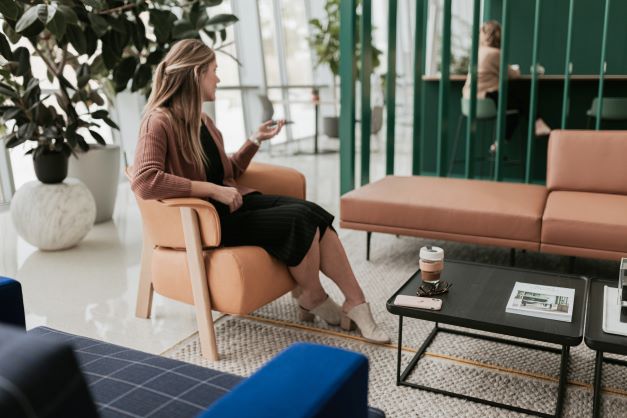
Flexibility in the workplace has been a hot topic and has been discussed continuously in recent months. A flexible workplace allows your team to be able to work at the office, at home, or even at a third place. The fact of the matter is that some employees will be comfortable returning to the workplace and some still won’t want to return right away, and others will want to work from home more regularly. It is up to organizations and businesses to cater to these needs and create a flexible place to work.

“We fully believe companies, if their teams are able, will have three places that will be acceptable to work from. Office, home, and the 3rd place as long as that 3rd place supports technology for Zoom meetings, etc.”

Flexibility With Schedules
Allowing for a varied work schedule throughout the week may help employee’s find a balance between working in the office and working from home as we all continue to find a NEW work flow. In person collaboration can be very inspirational and uplifting when meeting with clients. When employees feel they can choose how to balance their workload, they feel even more empowered and productive. Keeping communication open is the key to finding harmony that works for everyone.

“I think flexibility means flexible work space and locations. People can now have the option of when they are in the office vs. when they work from home and be productive in both settings. The office will be flexible in a sense that people are coming and going based on their own schedules.”
Listen To Your Team
Many companies are establishing effective feedback loops and surveying employees as a part of their return-to-the-office planning. The act of soliciting feedback goes far toward establishing a sense of trust and congeniality between employer and employee.
Paying extra attention to the sentiments and realities of the most “at-risk” populations, which include women as well and younger employees, will go even further to ensure you’re maintaining the levels of sensitivity and flexibility they need. Again, responding empathetically shows your team that leadership can relate to their challenges and can benefit from the same solutions.
The solutions, of course, will range from allowing employees to continue working from home, at least part-time, and encouraging overall well-being and team building activities to build a supportive and healthy work culture.

“Flexibility will mean different things in each culture. My hope is that trust has increased between management and workforce. This will allow for more autonomy. Empowered workers are more productive and happier. Many companies I am talking with are surveying their workers regularly to learn their preferences for a return to the office. People yearn to be heard. This can only lead to healthier workplaces.”