
We are surrounded by color. Color can impact our behavior, emotions, and even our workplace performance. Our brains will likely categorize color automatically. But we are partially taught how to respond to color through human experience, advertising, and tradition. That is why people react to colors differently across the globe. This phenomenon can be better understood through color psychology.
The Psychology of White
Like most colors, white can mean many things. It can represent cleanliness, but also sterility. It can symbolize innocence, but also frigidness. White can also evoke feelings of a blank canvas and new beginnings.
It is important to remember there are universal differences in color psychology, especially when considering the color white. In Western cultures, white has meanings of purity, peace, and rebirth. It is seen in weddings, baptisms, and religious figures. In Eastern cultures, the color white is linked to sadness and death. It is often seen in mourning rituals and funerals.
White in the Workplace
White is a highly reflective color. It doesn’t absorb light. But instead it allows light to bounce around. That is why as a background color, white plays an important role in visibility. It makes contrasting fonts, especially black or grey, easier to read and can naturally illuminate photos too. That is why white is usually the color chosen from photo matting.
Walls painted white can make small spaces feel bigger, especially with natural lighting. White light can be understood as a combination of all the colors of the rainbow. When these colors combine in one focused spot, they create a uniform beam of white light. Because of this, white can help to diffuse brighter colors. But given that white is a highly reflective color, it can also easily cause eye strain when used in large amounts.
How to Incorporate White
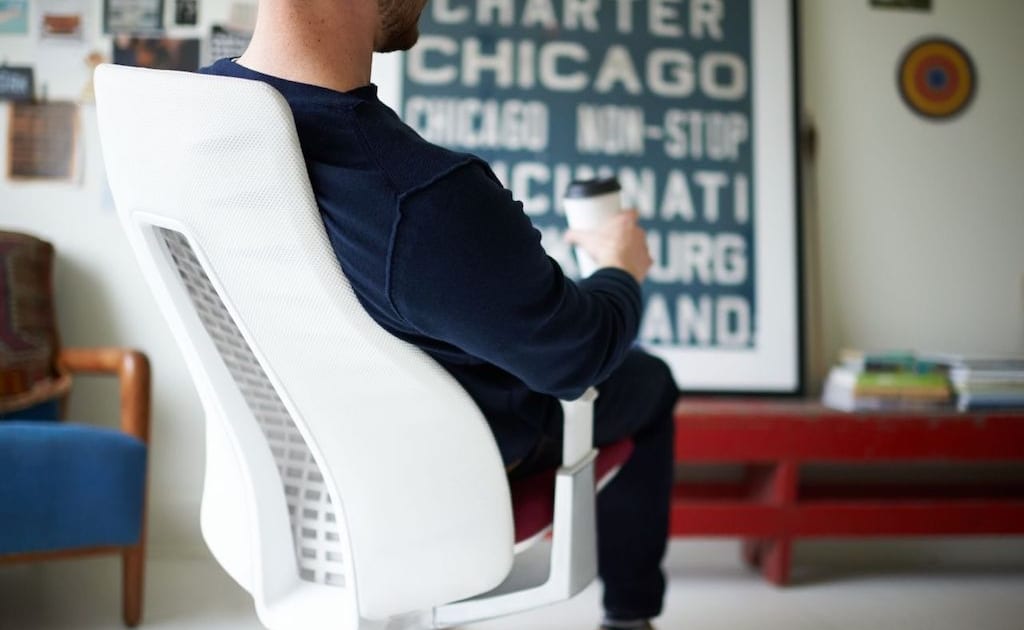
Given its nature of sterility, the color white is often found prominently in laboratories and hospitals. But white is also a great color to use when you are looking to tie everything together and create balance among rooms. It can be found in lobbies, cafeterias, and collaborative spaces. Because given its airiness and neutrality, white is inviting and leaves room for creativity.
There are countless ways to incorporate white into your space other than painting your walls. White looks great alongside wood and glass accents. White flowers, like the Peace Lily, Paperwhite Narcissus, or Jasmine, can also bring natural elements of white to a space or colorful flowers in white pots.
White pairs well with almost any color. But white and black may be the most common combination because they create a balance. Consider the black and white symbol that represents yin-yang, the Ancient Chinese philosophy of dualism. Finding ways to add black to your white décor can create harmony in your space.



