
What Should Companies Consider When Deciding Whether To Go Back To The Office Or Stay Remote?
Many businesses around the globe are going to be faced with a big task once the return to the office is upon us, do you continue to work remotely, or do you slowly start making people come into the office? One thing this pandemic has shown everyone is that many jobs can actually be done remotely, where this wasn’t once thought of before. Businesses in a plethora of industries were shocked at how many jobs can be done remotely, so some are having doubts about returning to the office, and on top of that, employees themselves are being hesitant to return to the office. However, before you make a decision, consider some of the following.
The Need To Make Everyone Feel Safe
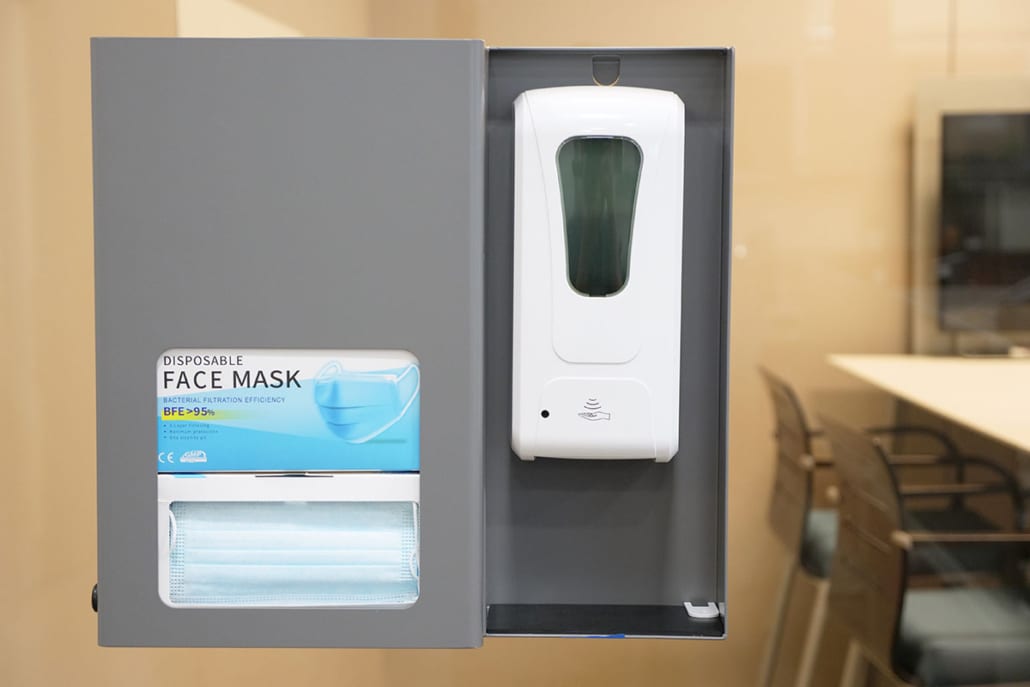
The biggest and most obvious way to make a decision about whether to return to work or to continue working remotely will be the effectiveness of how safe your office is. Does your office have the necessary PPE equipment, are the workstations socially distanced, are their dividers installed in between each workstation? These are just one of the many things to consider when either returning to work or working remotely for the foreseeable future. PPE equipment can be hard to come by, but by partnering with a furniture dealership one can get access to these tools like this glass-mounted PPE station.

“One thing to consider is if their office is conducive to being able to social distance while at work, and if they have the products needed to come back safely.”
Consider Your Culture
An aspect that cannot be overlooked is your company culture and if it thrives on in-person collaboration or not. This decision only might be the make or break for a lot of organizations. However, don’t let this be an all-in decision for your employees. If your business has departments that don’t require a lot of collaboration, then having them continue to work remotely would make sense while the departments that do need to be in the office come back. This approach would make everything flexible to adapt on the fly.

“A corporation’s culture can only exist through team members communicating with each other and knowing their team members. Many companies have sustained their corporate culture through online meetings with team members who previously shared a workspace. New hires can not fully embrace a corporate culture and understand the dynamics via video conference. Mentorship requires interaction to see and understand all of the moving parts. Growing a company and mentoring new hires remotely is similar to a sports team bringing on a new member but only practicing remotely. All of the skills and abilities can be presented, but the dynamic of working together as a team for the big game can not be conveyed via video conference.”
Your Employee’s Well-Being Matter
It’s been said over and over, but your employee’s well-being and mental health cannot be ignored, it’s as simple as that. As stated above, some employees might not be comfortable going back into the office just yet, so having an adaptable and flexible action plan would benefit those in need. On top of that, offering support programs for employees who need it would go a long way in making them feel safer at work. These programs can be after work zoom calls, one-on-ones with a supervisor, and much more.

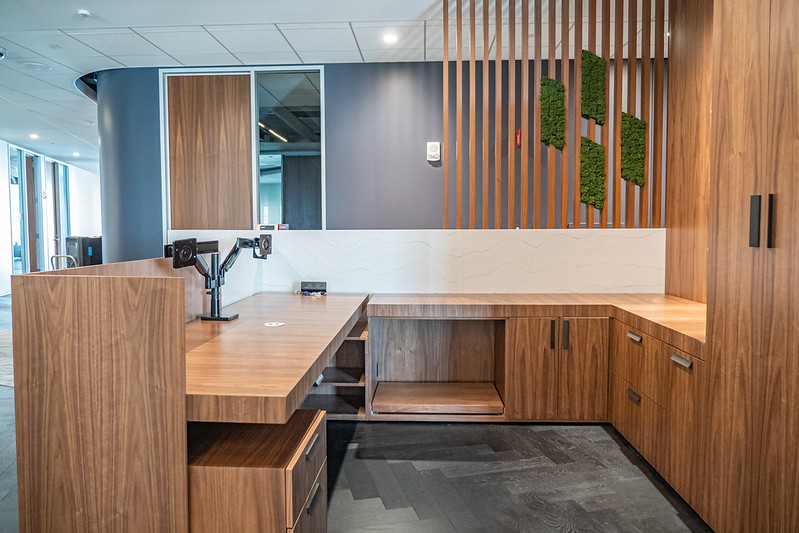
“When deciding between remote working and office working, companies should consider the impact on their organizational culture and importantly, employee well-being. Many companies have adopted a hybrid approach to returning to work. Some considerations are adapting the workspace to incorporate social distancing. We recommend physical distancing in the office to abide by the CDC guidelines and ensure the safety of others. For some spaces, this requires a reconfiguration of the existing space and implementation of protective products. When considering remote working indefinitely, it is advised to evaluate aspects like ergonomics, access to socialization and company connection.”
It’s Not End All Be All, Be Flexible
A consistent theme here is that at the of the day, businesses have to be flexible and willing to adapt on the fly. Having strict rules that require everyone to be in the office at all times when there are no safety protocols in place or ignoring people’s comfort levels will create a toxic work environment quickly. The most successful businesses moving forward will be the one that listens to their employees and go the extra mile to take care of them.

Sending a survey to employees to understand intentions, thoughts, and concerns and determine which activities are most important in the physical workspace vs remote work will be the best way to make sure everyone feels like they are being heard.



