
What AI Can’t Replace in the Future of Workplace Design
Artificial intelligence is reshaping industries faster than ever. It’s revolutionizing how we process data, develop concepts, and even design spaces. But as powerful as these tools are, they can’t replicate everything, especially not the human heartbeat of industries built on trust, craft, and creativity.
In the world of workplace design and commercial furniture, AI can offer speed, automation, and precision. But it can’t shake a hand, anticipate a client’s unspoken concern, or bring a vision to life on-site with a team of skilled people. When we asked our team what AI will never be able to replace, their answers revealed five powerful themes that speak to what truly matters in our work.
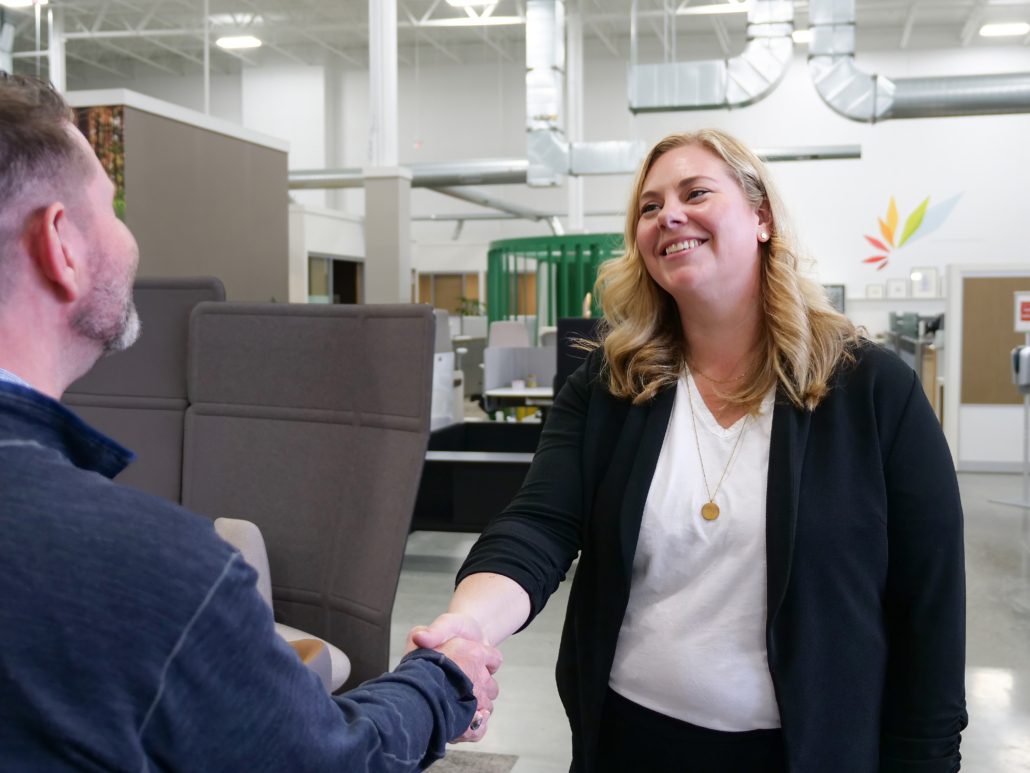
1. Human Relationships & Trust: The Foundation of Our Industry
In an industry where every project is personal, relationships are everything. Furniture isn’t just furniture; it’s part of how people experience their workplace every day. That experience starts with trust built between humans, not machines.
AI can analyze purchasing patterns, generate email campaigns, or simulate customer journeys. But it can’t replicate the years of trust built between a dealer and a client, the nuanced understanding of what makes a partnership thrive, or the ability to navigate complex conversations with empathy and intuition.
Our projects succeed because they’re built on real relationships, the kind forged over shared coffees, honest conversations, and collaborative problem-solving. AI can support that process, but it will never lead it.

“The human relationship (is irreplaceable).”
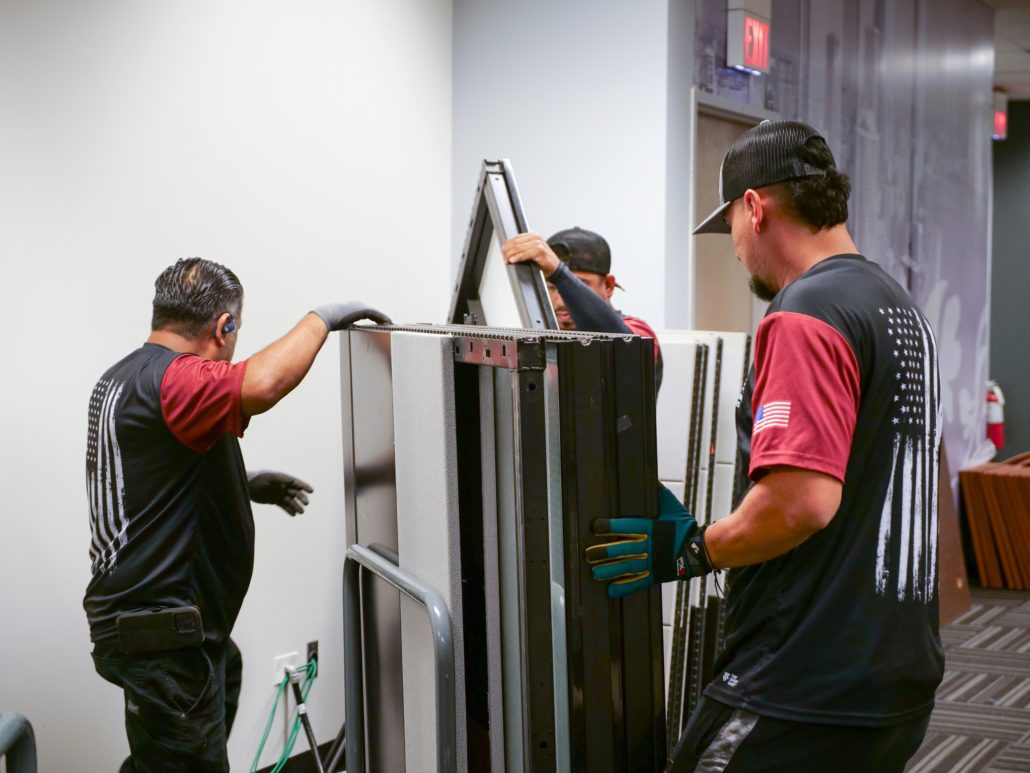
2. Installation & Real-World Expertise: The Human Hands That Build
No matter how advanced design technology becomes, a flawless rendering means nothing until someone installs the actual furniture. Installers aren’t just following instructions; they’re adapting in real time. They solve problems the moment they appear, working with walls that aren’t perfectly square, products that need creative adjustments, and timelines that shift without warning.
AI can model a layout, but it can’t lift a panel, anchor a workstation, or problem-solve in a fast-paced environment where precision and people skills collide. This is craftsmanship at its core, and it’s something only humans can do.

“I think the main thing AI will not change is installation. I think having experts that know the ins and outs of installing commercial office furniture will be something that will always be needed.”
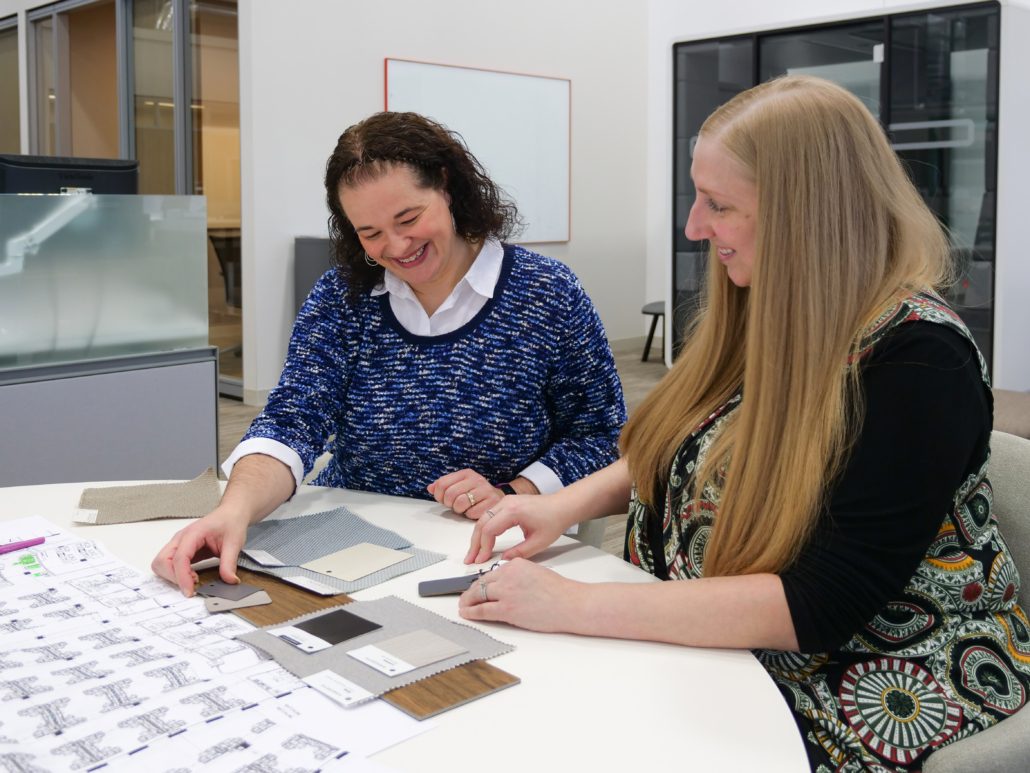
3. Creativity & Original Design: The Priceless Human Touch
AI can produce impressive renderings, but it doesn’t dream. It doesn’t understand how a space makes someone feel when they walk through the door for the first time. Designers bring something irreplaceable: their lived experience, emotional intelligence, and creative instincts.
Like an original piece of art, a thoughtfully designed space holds a kind of value that no algorithm can replicate. It’s in the texture of materials, the way light moves through a room, the story told through layout and flow.
Even if AI offers a cheaper, faster alternative, truly human-created spaces will hold their worth precisely because they reflect vision, personality, and soul. The human designer isn’t disappearing; they’re becoming even more valuable.

“Creativity, empathy, and intuition will always be human.”
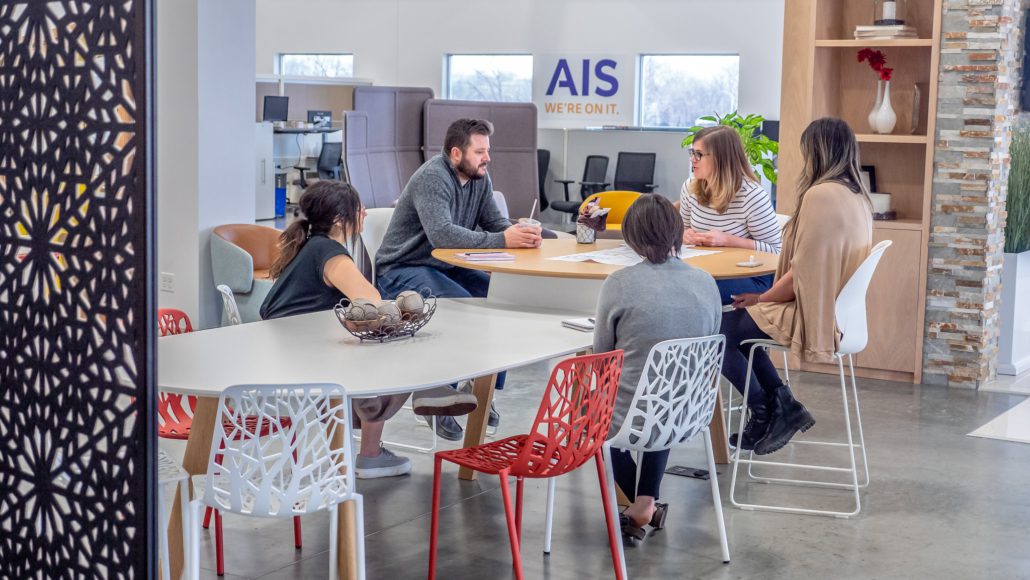
4. Emotional Intelligence & Human Insight: Designing for People, Not Programs
Workplace design isn’t just about what looks good on a floor plan, it’s about how people feel in the space. What inspires them. What makes them collaborate better. What makes them feel seen and valued.
AI can’t read a client’s expression in a meeting, pick up on hesitation, or sense the subtle emotional shifts that guide big design decisions. Humans can. Emotional intelligence allows us to interpret not just what’s being said, but what’s meant.
And in an era where workplace culture matters more than ever, that ability is priceless. It’s what turns a room full of desks into a thriving environment.

“AI will not replace the unique capabilities of humans in areas that require empathy, creativity, ethical judgment, complex relationships, strategic vision, and cultural understanding.”
5. Complex Coordination & Trade Work: The Art of Orchestration
Behind every beautifully completed space is an army of project managers, account reps, installers, designers, and service teams keeping hundreds of moving parts aligned.
AI can generate schedules and track logistics, but it can’t handle the unpredictable human reality of a live project: a truck arriving late, a surprise construction change, or a client walking in with a new idea.
This work takes people who can think critically, stay calm under pressure, and communicate with care. It’s the kind of orchestration no machine can match.

“Furniture dealerships have too many moving parts and serious coordination is required.”
AI will keep evolving. It will make us faster, smarter, and more efficient. But in the world of furniture dealerships and workplace design, our real power doesn’t come from technology, it comes from people.
It’s the relationships we build. The creativity we bring. The hands that craft and install. The insight we use to turn empty spaces into places people love to be. AI may help us design the future, but humans will always be the ones who give it meaning.



