
In What Ways Can A Workspace Be Adapted To Be More Flexible?
Businesses across the globe are getting ready to return to work. While some organizations are gearing up to have their entire workforce be back in the office, others are becoming adapted to be more flexible. This flex approach will allow businesses to enable their workforce to be able to work at home, work at the office, or even work at a third space without losing any efficiencies.
Enable Workplace Technology
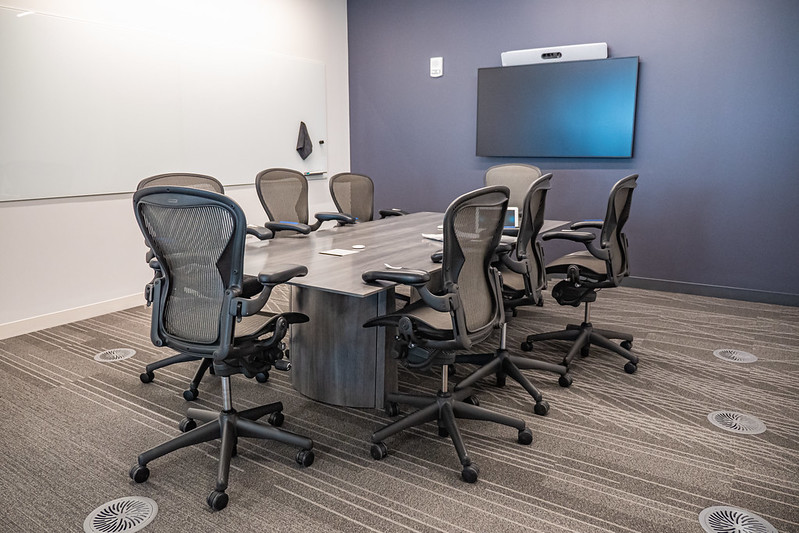
The obvious answer to how can a business adapt their workplace to be flexible is to enable and buy into workplace technologies like Zoom and Microsoft 365. Equipping your employees with these workplace solutions will ensure that anyone can work anywhere without having to worry about being less efficient. Zoom calls allow employees to conduct internal and external meetings with staff or customers while being able to be safe and comfortable.

“Adding technologies if they are absent is probably the answer here. Adopting a better more efficient video conferencing tool will make everyone’s lives easier, just for example.”
Consider Mobile, Modular Furniture
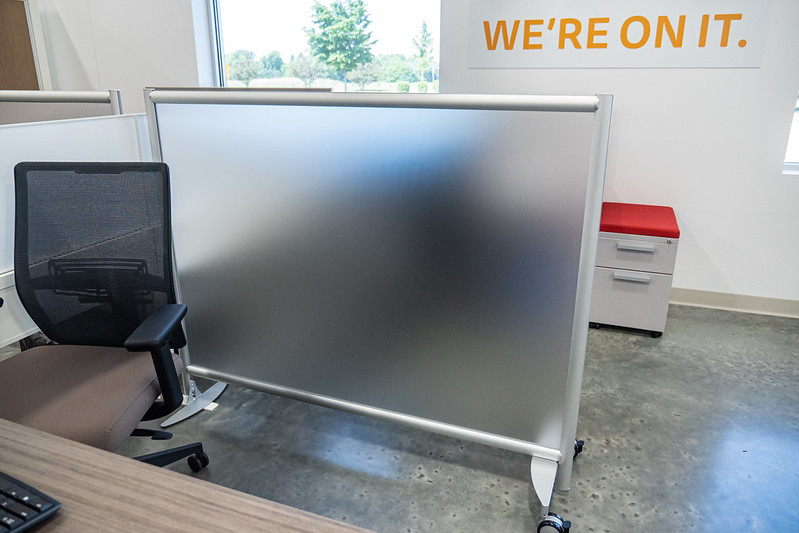
Another way to think or approach adapting your office to be more flexible is to add furniture that can be added or removed on the fly. Mobile, modular furniture is an easy and affordable way to make sure that your office has the tools it needs to adhere to safety guidelines.

“Incorporate modular furniture that is easy to move, stack, reconfigure and repurpose. Consider modular walls. Think of the multiple ways spaces can be used to accommodate multiple work styles and needs. Select furniture solutions that integrate and allow for flexibility and reconfiguration.”
Adopt Smarter, Safe Policies
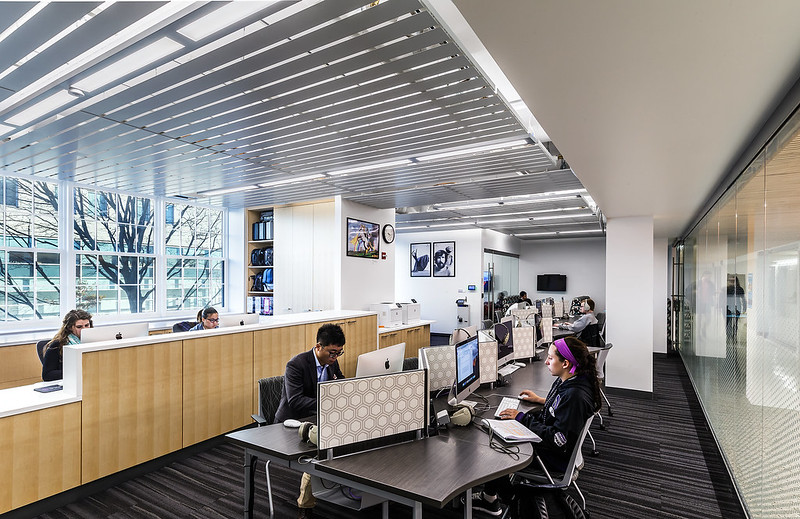
As much as we want to encourage people to come back into the office, some will not want to move forward right away and won’t be comfortable. With this in mind, adopting better, safer, smarter policies will be a crucial step to turning a workplace more flexible. Some policies include a sign up sheet on which peopl can be in on which days as to not overcrowd the office.

“Allow for shift work so that those who need and want to come in can space out the time in the office instead of everyone being in the building from 8-5.”
Understand Your Teams Needs
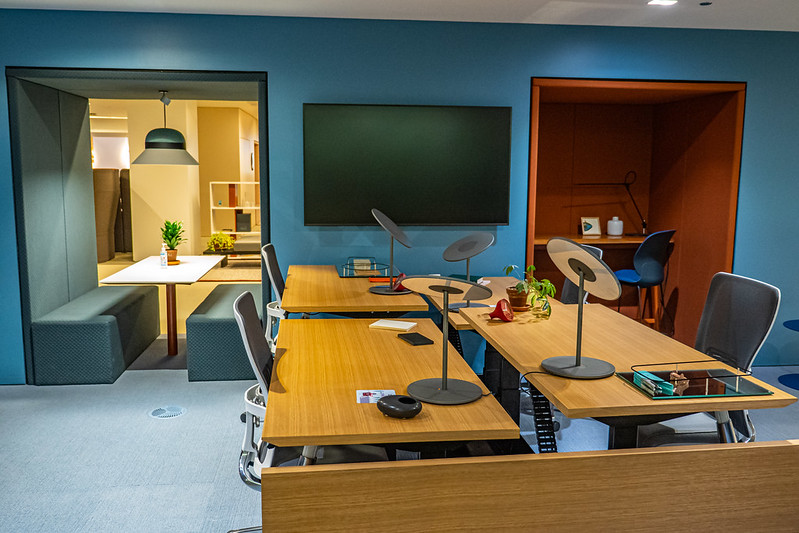
As mentioned above, not everyone is going to want to return to work right away. Some people are going to be more comfortable working at home where they won’t be working around others. Good leadership strives from listening to others and understanding their needs, so in order to ensure a happy work culture, leadership’s role in getting employees comfortable will be vital.

“By listening to team members and understanding what helps them feel safe, inspired and motivated. By being willing to reconfigure existing workspaces to accommodate these needs and preferences.”



