
Biophilia In The Workspace
We all want to work at places that are beautiful, innovative, and inspiring. The problem is that most people are often glued to their desks, hidden away in cubicles in tall concrete buildings. For professionals wanting a deeper, more natural solution, introducing a sense of Biophilia in the office may be the answer. But what exactly is Biophilia, and why has this type of workspace design become so popular?
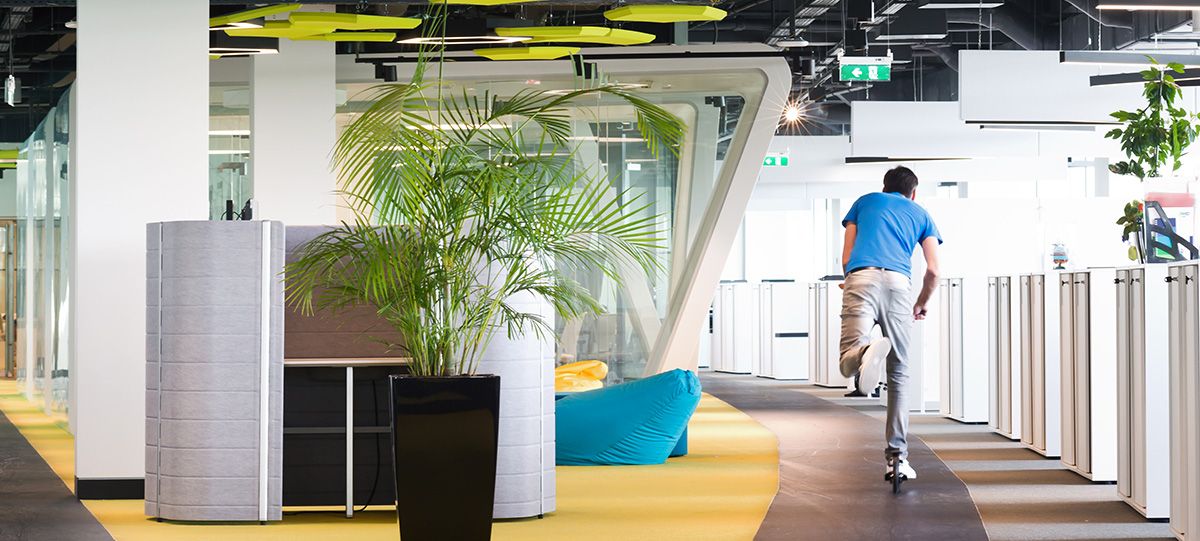
Simply put, Biophilia just means “a love of life or living systems.” According to biologist Edward O. Wilson, humans have an innate affinity for the natural world. When it comes to workspaces, Biophilia is more common with young professionals who adopt certain nature connected lifestyles to better focus on self care, especially those who live in large urban environments that lack natural greenery.
Biophilic design addresses the need to incorporate nature into workspaces by building a framework for these human-nature connections to thrive in. Gensler, an architecture firm, revealed in their 2016 Workplace Forecast that workspace design trends – such as biophilic design – that have grown significantly within most modern companies have become a key area on reshaping how urban workforces work as a whole.
Benefits of Biophilia in Workspaces
Biophilic design features help create a workplace that optimizes the environment for performance, health, and well-being. Individual employees have increased recognition to the natural world, overall reductions in stress and mental fatigue, and improved cognitive performance on tasks. According to environmental psychologist Stephen Kaplan, nature engages the mind and helps to restore directed attention and focus, even saying that people can concentrate better after spending time outdoors.
“The Economics of Biophilia”, a report written by Terrapin Bright Green, highlights how 10% of employee absence can be attributed to a lack of access to nature. Human Spaces, a digital publication that focuses on sharing resources around biophilic design, mentions in their global report that by incorporating elements of nature, overall well-being improves by up to 15%. This is measured by various means, such as measuring levels of the stress hormone cortisol and “happy hormones” like dopamine. In general, the report shows there is a greater ability to attract and retain employees and increase levels of productivity and creativity.
Tips to Human-Nature Connections at Work
Go Green
By just adding a few plants around your office, especially in areas with higher work traffic, your office will start to feel more grounded with nature. Even if they’re artificial, it is a great place to start, but using all natural plants and vegetation can greatly improve indoor air quality.
Use Natural Elements
Using natural materials like wood and stone for your furniture, walls and flooring can help build biophilia. Even using artwork representing outdoor scenes helps strengthen your connection to nature. Other practices include access to fresh air using high-performance HVAC systems and building with pollutant-free materials that help contribute to air quality.
Have Room for Light
Research shows that exposure to natural light is important to improving quality of life. Areas with glass windows or adding natural light lamps in workstations can have profound impacts on the office environment. Having easy access to outdoor areas also allows for more open and natural workspaces to thrive. Providing a space in the workplace for relaxation and recharging promotes a positive impact on well-being.
Create an Active and Mobile Workplace
With open workspaces, there’s more room for employees to stretch their legs and get around. Working in a building that encourages movement such as climbing stairs keeps people active and can even help employees achieve their exercise goals. Take a few walking meetings next time you’re outside, around a park, or have a scenic view.
Add Water
Although having a beautiful view overlooking bodies of water can boost that Biophilic feeling, there are other ways to connect employees with the calming effects of water. Deploying features such as aquariums, ponds, or even indoor waterfalls gives employees this simple access to nature.



