
5 Visions for the Post-Pandemic Workplace
And What to Expect From Businesses
The post-pandemic workplace is completely different than the pre-pandemic workplace. Society is saying goodbye to masks and saying hello to normal work life again. But what does the “normal work life” consist of post-pandemic? Some people are comfortable working remote, but some may be eager to return to the office. Whichever you prefer, here are 5 visions for the post-pandemic workplace.
Remote Work is Here to Stay
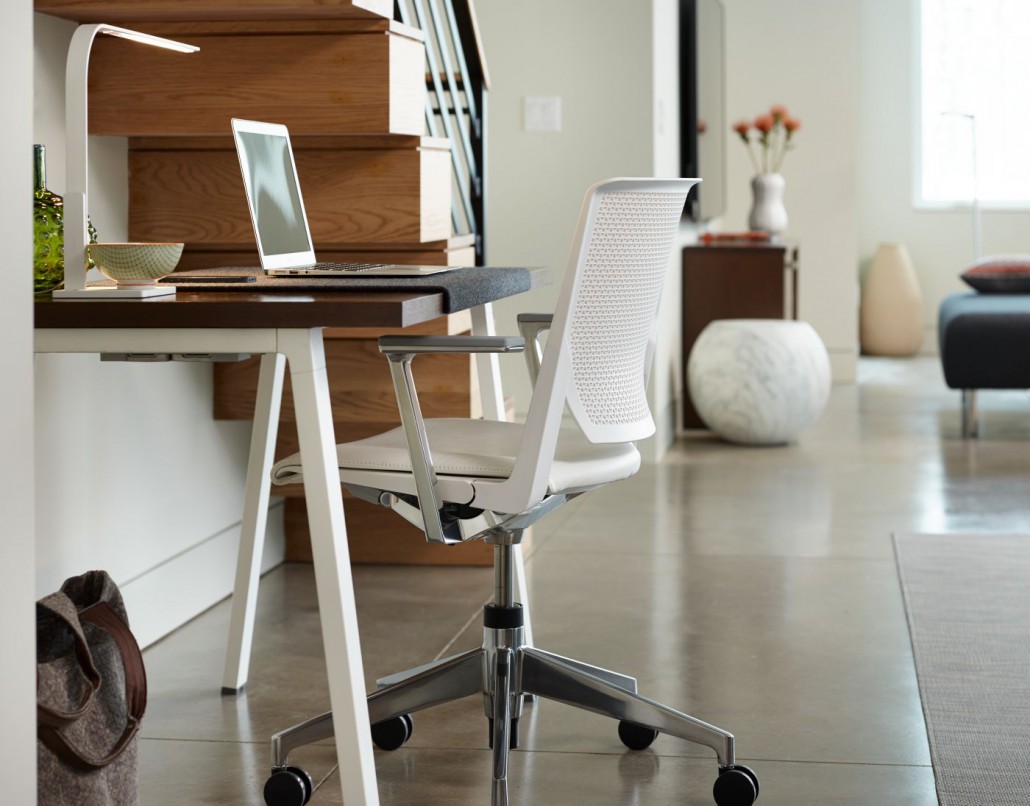
Remote work is a term heard all too often these days, and the pros seem to outweigh the cons. Businesses know that working from home is convenient and as we enter the post-pandemic state, working remote is one thing that is here to stay. However, having the ability to work from the comfort of one’s home is an aspect that some will want to continue to have throughout their careers. Corporations and businesses are going to have to make permanent adjustments for their employees to have the option to work remote because it’s a long lasting condition of the workplace.
Importance of the Physical Workplace
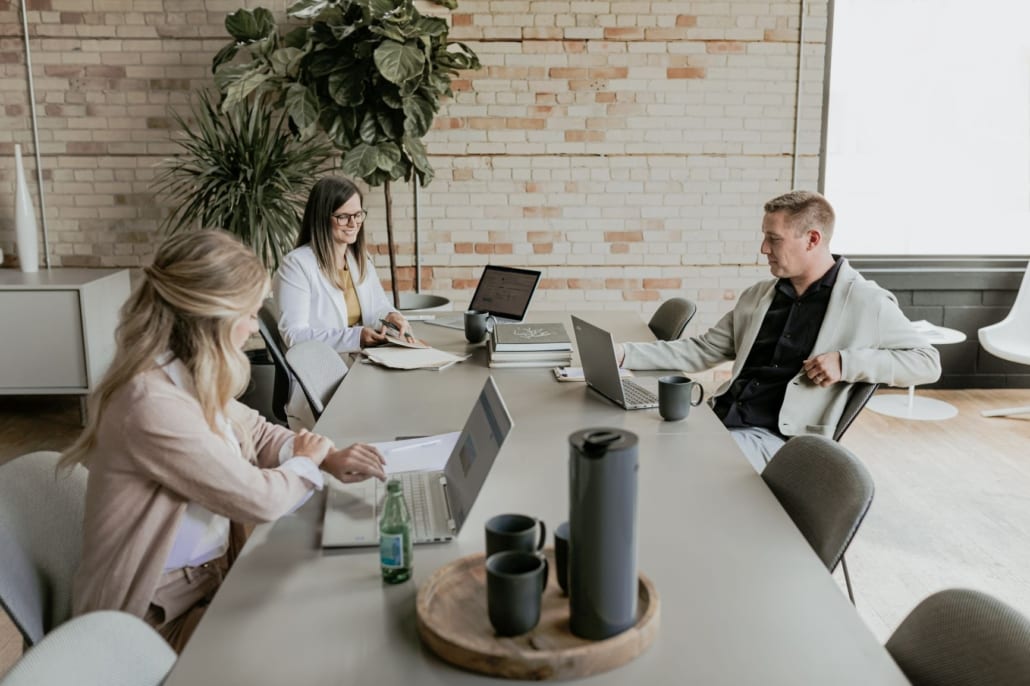
Remote work has been a blessing for some, but there are aspects of working in office that remote work doesn’t satisfy. Being in the office gives employees a sense of community. In office, people are able to collaborate and connect with others face-to-face. However, this is something remote work doesn’t allow for. Companies also need to keep their brand exciting and intriguing for possible recruits, and making a business look appealing is difficult to show if office spaces disappear. Yet focusing on getting employees back into the office post-pandemic is something businesses will strive for in order to get back up and running.

“Workplace culture can be really important for employee happiness and morale, and nothing fosters that like a physical workplace where people can interact with each other for work but also for a quick chat at the coffee maker, which isn’t feasible when everyone is remote.”
Offices are Shrinking
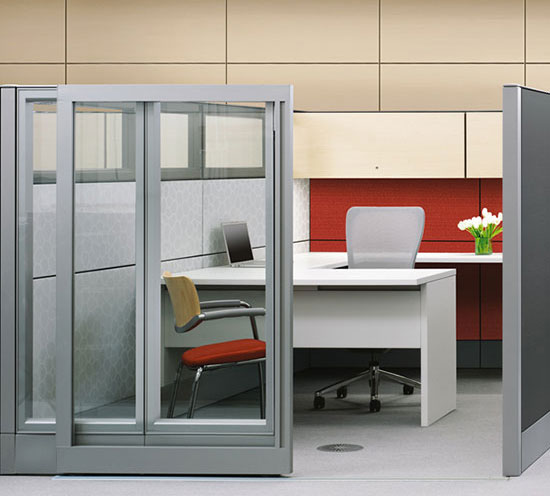
Although the physical workplace is important, most businesses have come to the realization that they can fully function with their employees working from home. Unfortunately for office spaces this means downsizing. Most businesses have intent on keeping some form of remote work, resulting in a lesser need for office spaces and a bigger need for personal space. However, there is also the comfort factor to take into account as the pandemic ends. Some may not be comfortable returning to the office full time for safety and sanitation reasons. As a result, the need for flexibility is important in the workplace. Because of this, designated work stations and the amount of space needed is becoming minimal.

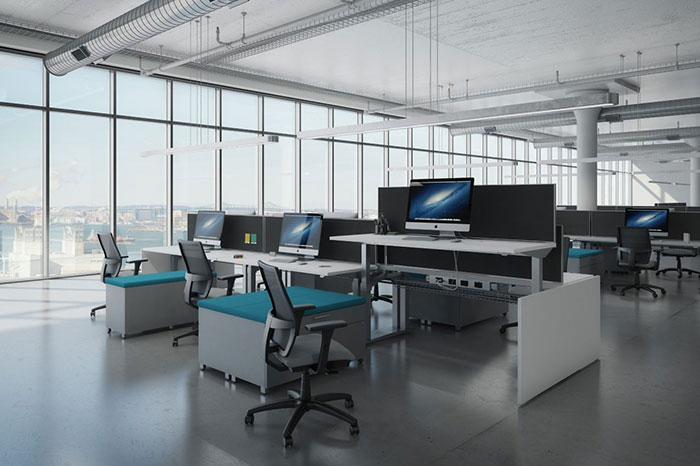
“I think the workplace is going to have fewer employees in the office full time, but will have spaces that allow employees to come in as needed. These spaces should have dividers to designate the specific workspaces to allow everyone to feel safe.”
Pandemic Leads to a Tech Savvy Society
As of recent, many office jobs have transitioned into remote jobs. Employers and employees of all fields are expected to navigate technology better than ever before because of the need for virtual communication. Understanding how to use different applications and learning to communicate solely through our screens has allowed people to become technology savvy within the past year. Because of this change, softwares such as zoom have enabled people to use modern technology to the best of it’s abilities. Technology will continue to improve and help people do their work more efficiently now and in the post-pandemic workplace.
Flexibility is Essential
Flexibility is a new necessity for businesses in the post-pandemic workplace. Employees enjoy being able to pick and choose which days and times they come into work or stay home. This has led to businesses becoming more adaptable to the new reality. Flexibility is a luxury that allows people to incorporate more work life balance into their daily schedules. This in turn leads to greater satisfaction for both employers and employees.

“Since we’ve been working from home for the past year, companies can see that many people are getting their jobs done remotely just as well as they would if they were in the office. An employer needs to be flexible as far as when people are required to be in the office.”



