
Is the Return-to-Office Debate Still Relevant?
The return-to-office conversation is no longer about whether employees should be in the office, it’s about how to make coming in purposeful, rewarding, and worth the commute. Hybrid and remote options are now an expectation, but that doesn’t mean the physical workplace has lost its value. In fact, the most effective organizations are treating their office spaces as intentional hubs for learning, culture, and collaboration. When designed right, the workplace doesn’t just house employees, it brings people together in ways that drive connection and growth.

1. The Office Is Still a Crucial Place for Mentorship and Learning
One of the most overlooked reasons for in-person work is the opportunity for mentorship. Especially for younger employees and new hires, being physically present helps them absorb subtle cues, build relationships, and understand company culture in ways that are hard to replicate over Zoom. While hybrid work provides flexibility, it’s in the office where mentorship happens organically, through impromptu conversations, side-by-side problem solving, and simply observing how experienced professionals navigate their day. Offices that foster proximity between employees at different career levels create stronger pipelines for growth.

“Younger employees need to be gaining the experience of their peers.”
2. Hybrid Flexibility Works Best When Balanced with Purposeful In-Person Time
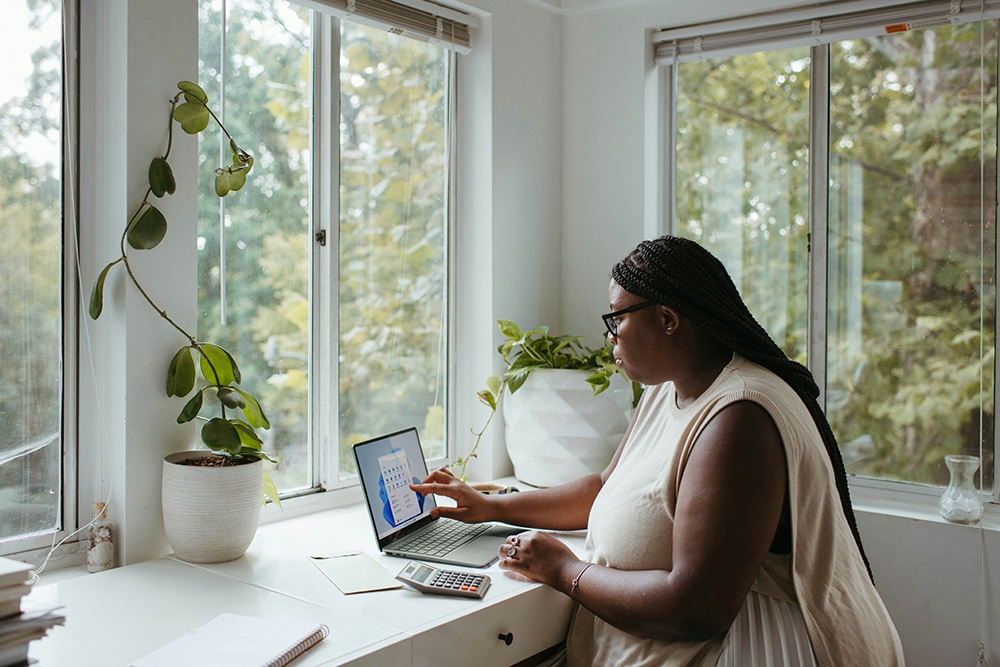
Flexibility remains a top priority for today’s workforce. But flexibility without structure can lead to disconnect and disengagement. Companies are now striving to find a rhythm that empowers employees with freedom while still fostering a shared culture. Hybrid doesn’t mean chaotic, it means intentional. Employers that clearly define which moments are best shared in person (think: onboarding, team strategy, celebrations) and which can be handled remotely will build a culture that respects autonomy while maintaining cohesion.
3. The Office Needs to Be Worth the Commute
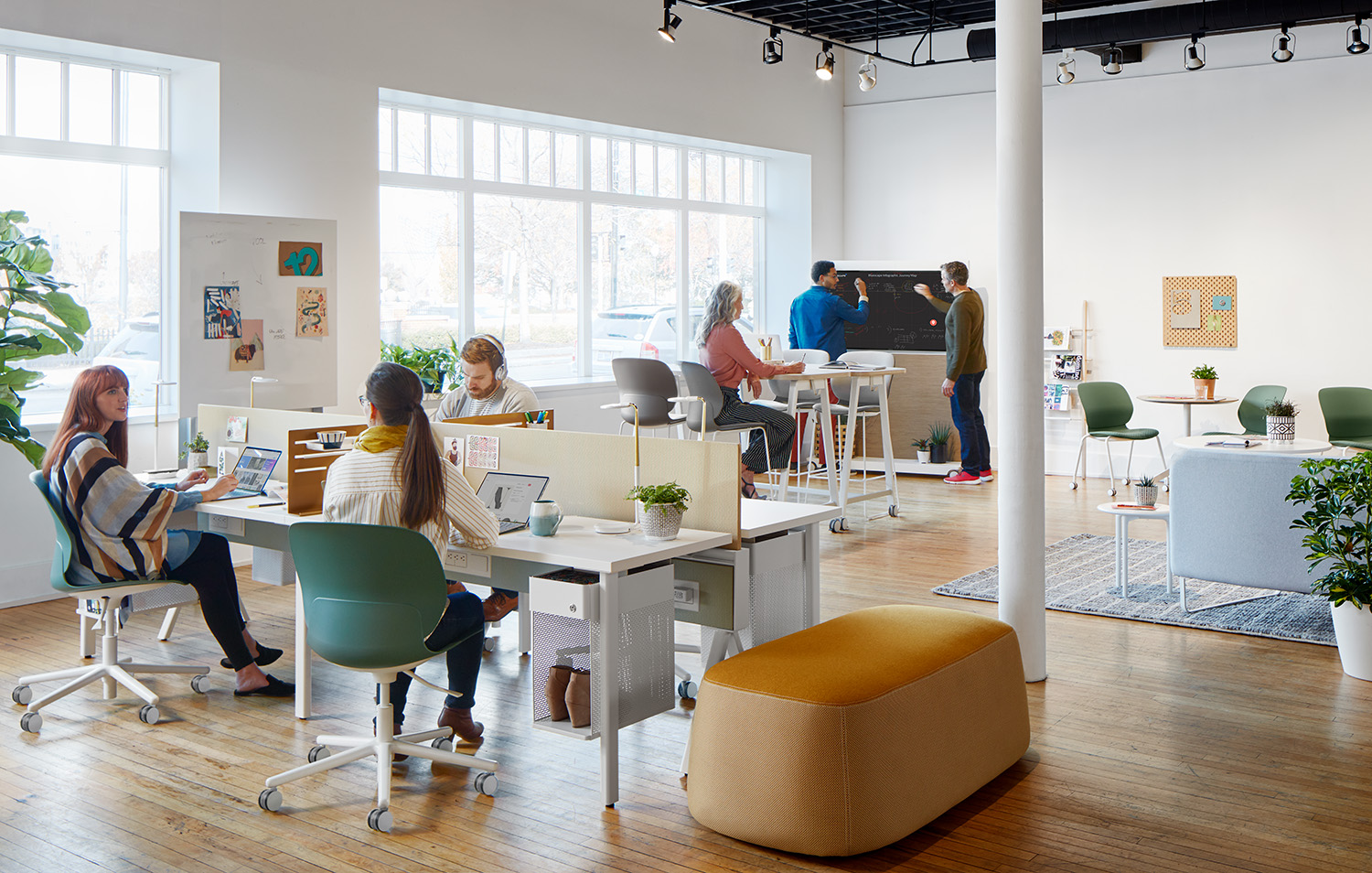
Employees don’t want to return to sterile, outdated workspaces. They want environments that support well-being, collaboration, and belonging. Forward-thinking companies are responding with dynamic designs: lounge areas that spark connection, focused rooms for deep work, and gathering spaces that feel energizing, not obligatory. These changes make a statement: the office isn’t just where work happens, it’s where people connect, grow, and thrive.

“Organizations are now focusing on creating value-driven workplaces that employees want to return to, emphasizing connection, culture, and collaboration.”
Conclusion: It’s Not About Replacing Remote, It’s About Making Office Time Matter
The workplace of the future won’t be defined by where we work, but by how well the office supports what we can’t get elsewhere: spontaneous connection, shared culture, and deeper learning. With the right balance of flexibility, structure, and intentional design, the office will remain a vital part of the employee experience, not because it has to be, but because it adds real value.



