
Will Open Plan Design Stay in Quarantine?
Open plan design is a method used in the corporate world that minimizes walls and cubicles and emphasizes creativity and collaboration between colleagues. A traditional set up inhibits face-to-face time with others and creates a superiority complex. In an open plan design, workers can be closer which allows for ideas to spark. On the other hand, the close proximity of workers can be loud, distracting, and cluttered. This type of behavior leads to stress and can actually decrease creativity and work flow. So is an open plan design really what employees need to succeed?
Should Open Plan Design Stay or Go?
Quarantine made it easy for people to work without physical restrictions such as office walls and small cubicles. Going back to the office to find tiny work spaces is a drag. However, there might be a a solution for those who don’t want to be confined to cubicles. For the people who are less organized, don’t mind clutter or loud work areas, open plan design is the perfect solution. For people who like personal space, open plan designs are a workplace nightmare. Everyone has different ideal work settings which makes open plan designs controversial.
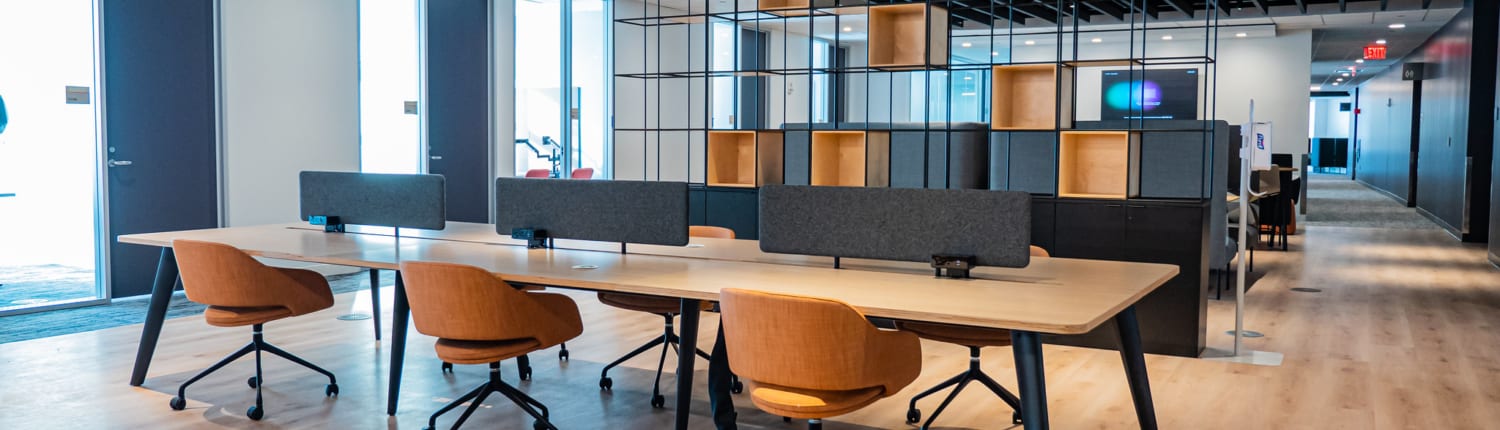
People with type A personalities are highly focused and competitive. Wasting time and being unorganized is not an option. This type of person prefers a personal space to stay focused in. An open plan design doesn’t allow for this work ethic due to the loud open space and small shared work stations. Type B personalities thrive in communal spaces where they can discuss, work closely, and collaborate with others. Typically, type B are less stressed and more creative when working around people. This is simply why open plan designs don’t work. Each employee is unique and has different wants and needs that cannot be met when given the same workspace. Aiming to give workers the option for open plan or cubicle is an ideal workplace method.
The Real Impact on Employees
Everybody is different, so why should offices enforce the same workspace for all employees? Although being crammed next to your favorite co-workers seems like fun, it’s not ideal for working. A study conducted by The Royal Society found that open plan designs do not increase interaction, but actually do the opposite. Since employees strive for some kind of privacy, they are more likely to communicate in other ways than face-to-face. Speaking to a co-worker in front of other co-workers doesn’t make the conversation private. In an open plan design, having a private conversation is as easy as looking over your shoulder to see who is at their desk without getting up, and boom, email sent.
All in all, each person works best under different conditions. Having an open plan design is the least beneficial for work efficiency and the mental health of employees. Giving people the option of their work environment is the best way to go.
Solutions for Open Plan Designs
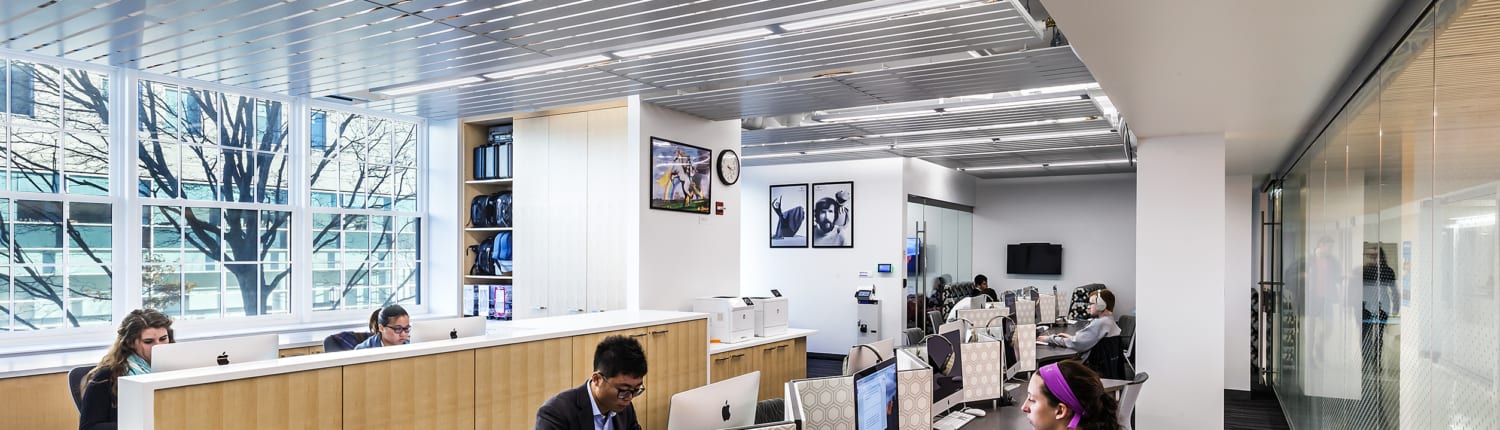
If there’s one thing employees have learned from living in quarantine for the last year, it’s that taking care of one’s mental health and well-being matters. As employees return to the office, (and possibly to an open plan design) business need to incorporate spaces in the office where people can unwind and take a break. Weather that space be an extra break room, more couches, or a quiet corner, or a personal phone booth, employees deserve to stay in check with their mental well-being at work and lower their stress levels as needed. Incorporating other features such as games and snacks can make employees feel more welcomed and comfortable in the workplace.



